

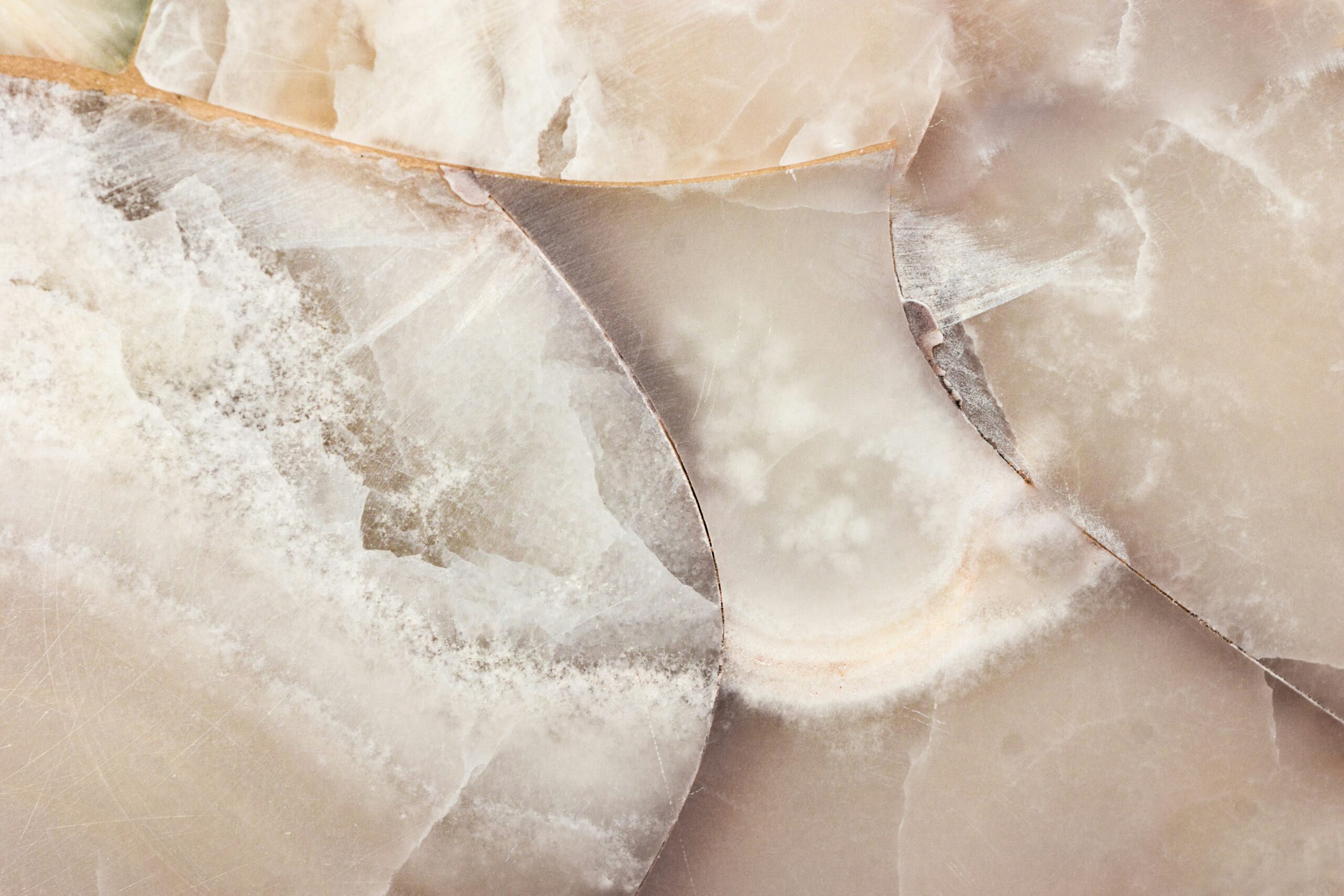
A room does not become luxurious because it contains marble, brass, or expensive timber. It becomes luxurious when those materials are chosen with purpose. Selecting materials for luxury home interior projects shapes the entire atmosphere, tactile experience, durability, visual weight, and relationship between different spaces. Rather than treating surface choices as isolated aesthetic decisions, an intentional approach to luxury interior materials defines how an interior feels, functions, and endures over time.
Start With the Interior, Not the Material
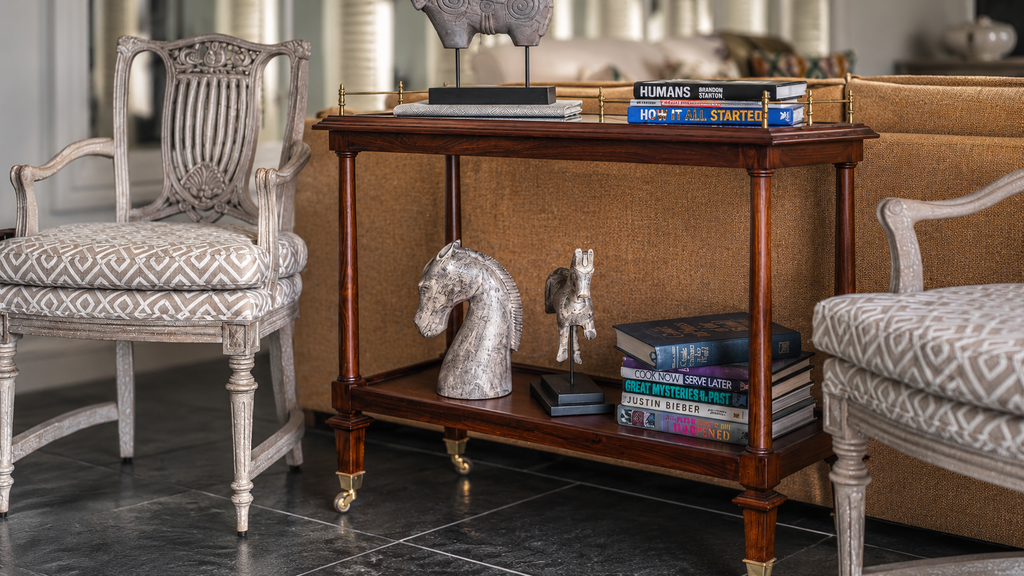
A common mistake in interior design materials selection is beginning with a specific finish in mind, such as declaring a desire for a particular marble before understanding the room itself. An experienced designer begins by evaluating the architectural character, room scale, natural light, and intended atmosphere. They assess how the space will be used, what existing architectural elements are present, and how adjacent rooms interact.
Materials should support the overall design concept rather than become the concept itself. A dark, heavily veined stone may look striking on a display slab, but its success within a luxury home interior depends entirely on surrounding daylight, ceiling height, adjacent finishes, and the artwork or furniture that will share the room.
Think in Material Families, Not Individual Finishes
Luxury home interior materials work best when approached as a connected family rather than a series of independent purchases. Cohesion emerges from establishing deliberate relationships across broad material categories:
- Stone: Natural stone options like marble, limestone, travertine, and granite provide grounding visual weight.
- Wood: Species such as teak, oak, and walnut bring organic warmth and structural integrity.
- Metals: Accents in brass, bronze, stainless steel, or blackened metal offer varied reflective qualities.
- Textiles: Layered fabrics including linen, cotton, wool, velvet, and leather introduce physical softness.
- Architectural finishes: Surfaces such as lime plaster, limewash, polished coats, and textured wallpapers create backdrop texture.
The goal is not to include every finish, but to establish a restrained material vocabulary—such as warm timber, veined stone, aged metal, and tactile textiles—that repeats throughout the residence.
Choose Materials According to How the Room Is Used
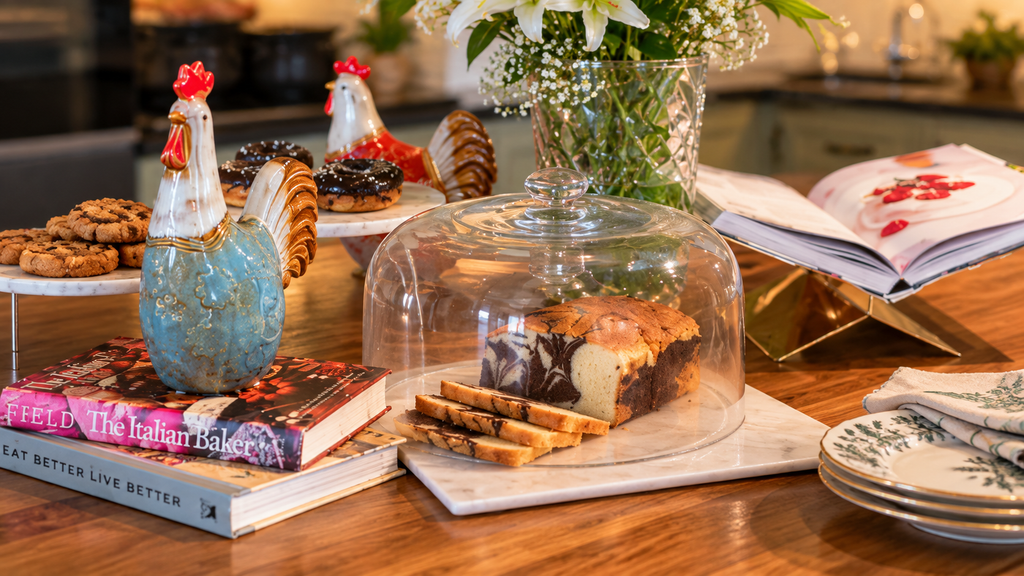
Selecting materials for luxury interiors requires rigorous technical judgment alongside aesthetic choices. Every surface must respond directly to how a space functions. High-traffic entryways and corridors demand exceptional durability and ease of cleaning. Kitchens require luxury interior finishes that can handle heat, moisture, food preparation, and potential staining without losing their character.
Bathrooms require water-resistant, slip-resistant materials capable of withstanding constant humidity. Living rooms benefit from soft, tactile surfaces, while bedrooms require acoustic dampening and sensory comfort. Transition spaces between indoor and outdoor areas must withstand UV exposure, weathering, and moisture. A material can be visually beautiful and still be entirely wrong for a specific application.
Let Light Influence Your Material Choices
Materials change dramatically depending on the quality and angle of light hitting their surfaces. Polished stone reflects sharp points of illumination, while honed or brushed surfaces diffuse light softly across a room. Translucent stones, polished metals, textured plaster, and natural wood grains each interact uniquely with changing natural daylight and artificial lighting.
The exact same slab of stone or timber veneer can appear rich and warm in direct daylight, yet feel flat or cool under artificial bulbs. Major interior design materials should never be selected solely from small samples under artificial showroom lights. Testing full-scale samples inside the actual space across morning, afternoon, and evening light ensures the material performs as expected.
Balance Texture, Colour and Reflectivity
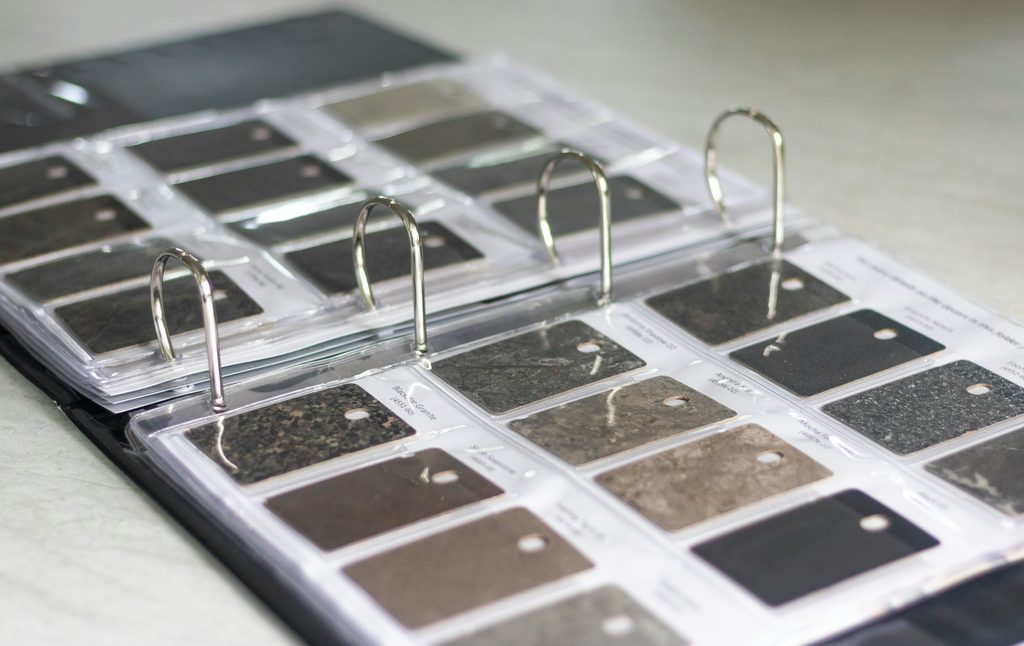
Choosing materials for interior design is an exercise in balancing multiple sensory layers beyond basic colour matching. Designers carefully balance key variables across a space:
- Texture: Ranging from smooth polished stone to hand-carved wood, ribbed plaster, or coarse woven textiles.
- Reflectivity: Spanning matte, satin, semi-gloss, and high-shine polished surfaces.
- Visual weight: Balancing heavy, dark elements against lighter structural materials.
- Colour temperature: Pairing warm timber tones with cooler stone or metal elements.
- Pattern: Managing natural veining, wood grain, repetition, and visual movement.
- Tactility: Prioritising how a surface feels to human touch.
A room filled exclusively with polished marble, glossy lacquer, and mirrored metal quickly feels restless. Introducing matte plaster, natural timber, or slubbed linen provides essential visual rest. True depth in luxury home finishes comes from thoughtful contrast rather than total uniformity.
Consider Climate, Maintenance and Longevity
Luxury home interior materials must account for real-world environmental conditions. In regional and coastal contexts, factors such as high humidity, intense sunlight, tropical monsoons, airborne dust, and ambient moisture dictate long-term performance.
A material strategy suitable for a sealed city apartment may fail when applied to an open-plan coastal villa or a mountain home. Unsealed natural stones or untreated metals may degrade prematurely if placed in harsh climatic conditions without proper sealing or maintenance planning. High-end design requires evaluating performance requirements, cleaning demands, and wear patterns alongside pure aesthetics to ensure longevity.
Build a Distinctive Material Language Across the Home
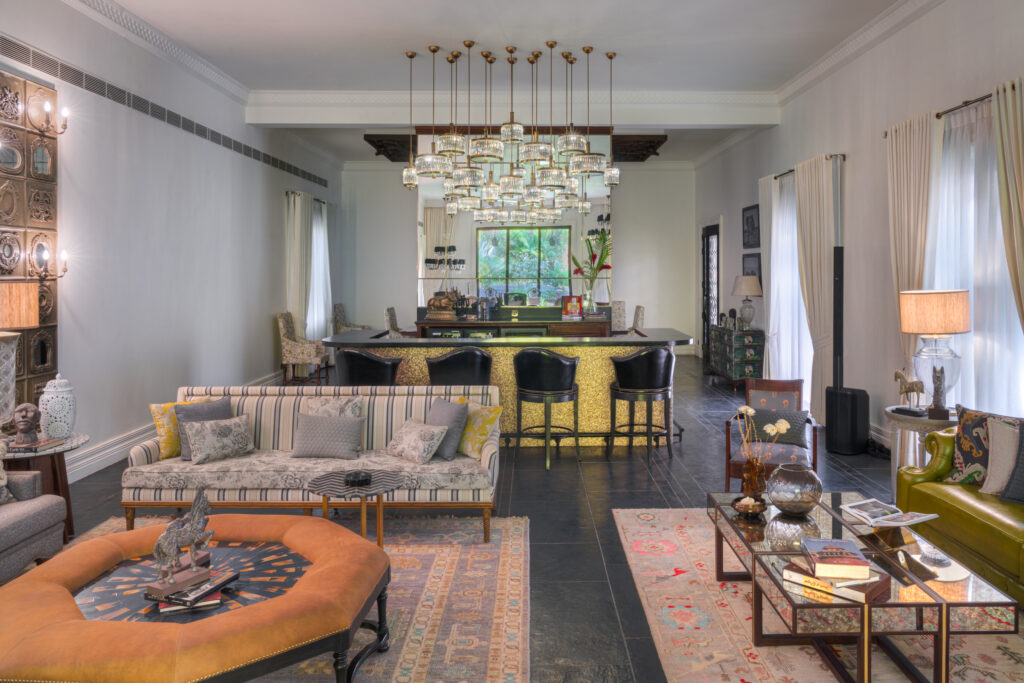
A cohesive home does not require repeating the exact same materials in every room. Instead, bespoke luxury interiors establish a fluid material language where finishes echo and evolve across different spaces. A timber species used on living room joinery might reappear as wall panelling in a hallway, or a primary stone might re-emerge in a varied finish within a powder room. Consistency does not mean repetition; it means relationship.
The Bottega Principle: Fewer, Better, More Intentional Choices
At Bottega Di Lusso, luxury is defined by focus: fewer, better, more intentional choices. In luxury interior design India contexts, maximalism is often misunderstood as indiscriminate accumulation. True maximalism does not require every surface to compete for attention. Instead, it achieves richness through layered textures, expressive stone, fine craftsmanship, and unexpected material pairings grounded by quieter, balancing surfaces.
The best materials for luxury interiors are rarely the most expensive ones available. They are the choices that make sense together—responding directly to architecture, daylight, climate, and lifestyle. Successful material selection remains an exercise in relationships: balancing stone with wood, texture with light, and high aesthetics with daily practicality. When materials are chosen with intentional restraint, an interior feels natural, composed, and enduring.
Frequently Asked Questions
There is no single best material. The ideal choice depends on room architecture, application, climate, maintenance needs, lighting, and how finishes relate to one another within the overall palette.
Start with the architecture, functional requirements, and desired atmosphere. Then, evaluate materials based on colour, texture, reflectivity, scale, climate performance, and craftsmanship.