

For nearly a decade, residential design suffered from a curious case of collective amnesia.
From the sprawling estates of South Delhi to the coastal high-rises overlooking Mumbai, luxury was reduced to a singular, monochromatic script: sterile white walls, hidden handles, and imported Balinese or Mediterranean templates that lacked inherent soul. It was an aesthetic of subtraction.
However, in 2026, the cultural elite have quietly staged a brilliant, unapologetic rebellion. The era of soulless minimalism is officially dead.
Today’s HNIs and ultra-HNIs are no longer seduced by the mere geometry of empty space or raw square footage. Instead, a new paradigm has emerged—one championed by the country's most exclusive luxury atelier circles. True luxury is no longer measured by what you strip away, but by the depth of the narrative you weave into the architecture.
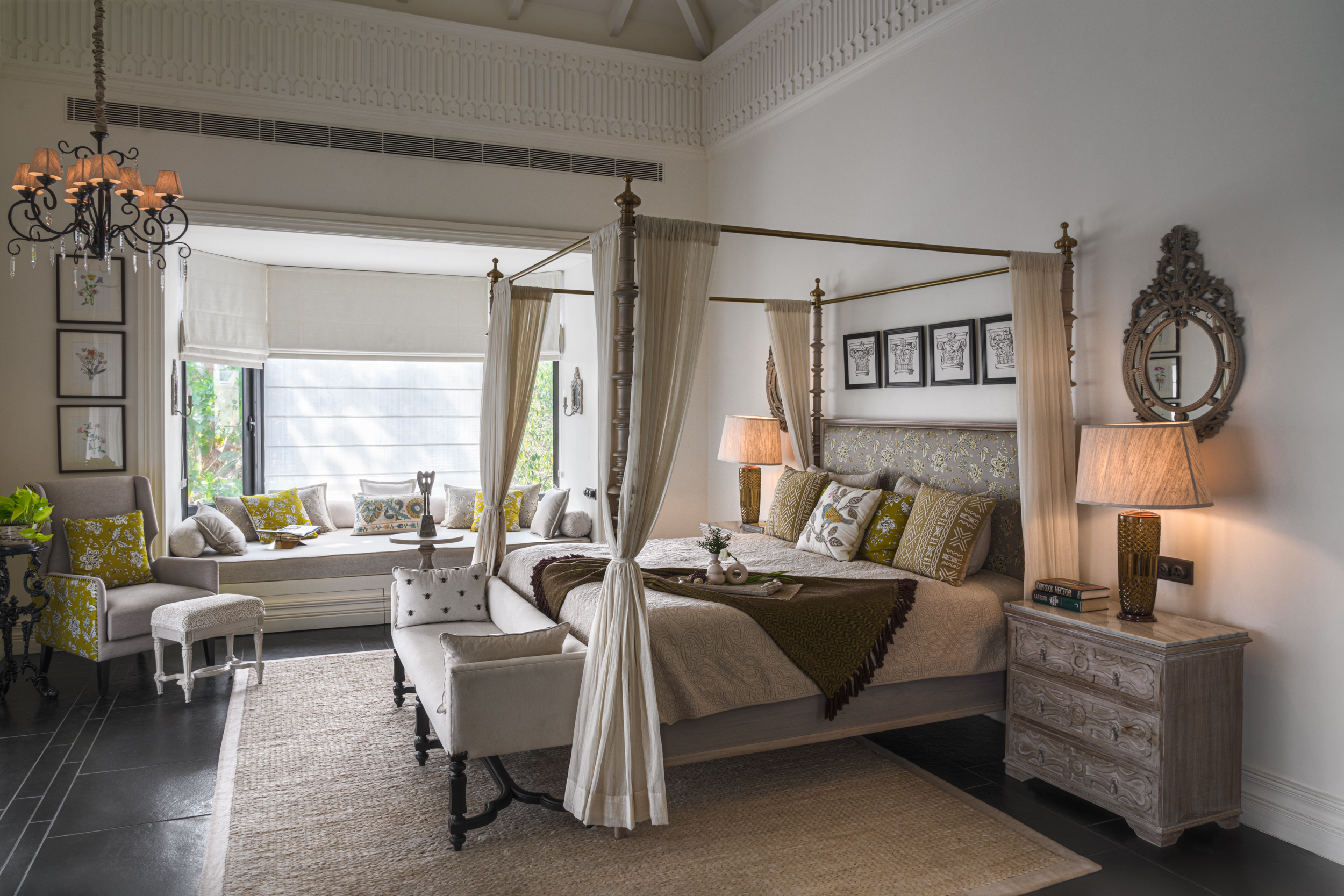
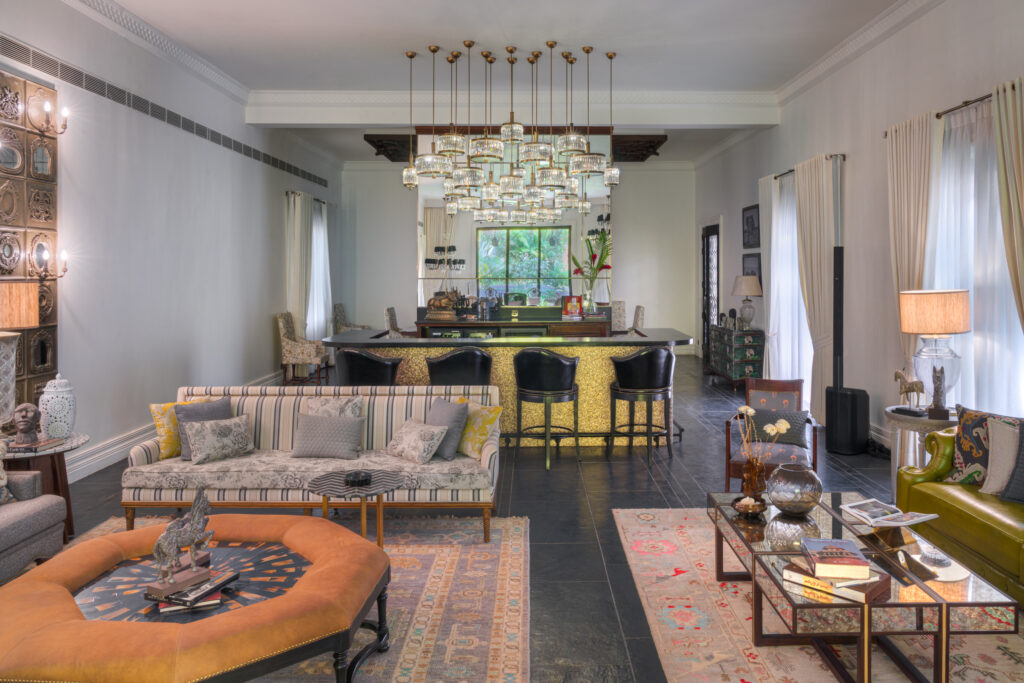
We are witnessing a decisive, permanent pivot toward intentional, heritage-rich, opulent maximalist interiors.
The shift is perhaps most electric in premium getaway destinations like Alibaug, Coorg, the Nilgiris, and Goa, where a renaissance in luxury interior design is setting a new benchmark for celebrity interiors. The modern elite do not merely want a house; they want an uncompromising, custom-crafted masterpiece that mirrors their global sophistication and proud Indian lineage.
Limitation of Size: Priority Shift to Spatial Intelligence
For so long, luxury has been measured luxury through a singularly blunt metric: total square footage. The grander the footprint, the grander the status.
Yet, this obsession with raw volume has revealed its emotional tax. Overly massive estates frequently devolve into a series of echoing, uninspired corridors and cavernous, unused rooms. Far from feeling grand, these spaces often feel profoundly isolating.
In 2026, the elite are trading sheer volume for spatial intelligence. True luxury is no longer about how much space you own, but how masterfully that space is orchestrated.
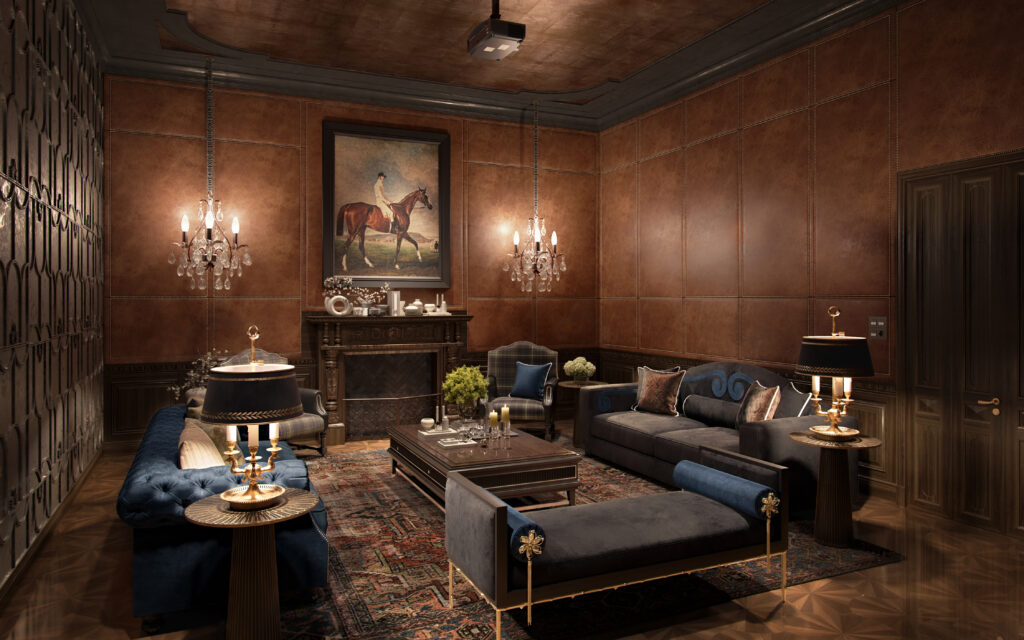
In a highly sophisticated layout, rooms are engineered with a cinematic progression. Such a layout ensures that bold, opulent maximalist interiors have room to breathe rather than overwhelm the eye.
A home shouldn't resemble an institutional museum where you expect a velvet rope, it must feel profoundly intimate, effortlessly connecting indoor sanctuaries with the natural world outside.
By curating zones rather than endless empty vistas, we transform an estate from a structure into a masterpiece where every square foot serves a narrative purpose.
Privacy: The New Premium Currency
The ultimate commodity is no longer access—it is exclusion.
True luxury treats absolute privacy not as a premium add-on, but as the foundation on which an extraordinary life is staged. The modern elite are decisively turning away from crowded, high-density compounds that compromise on visual and acoustic isolation.
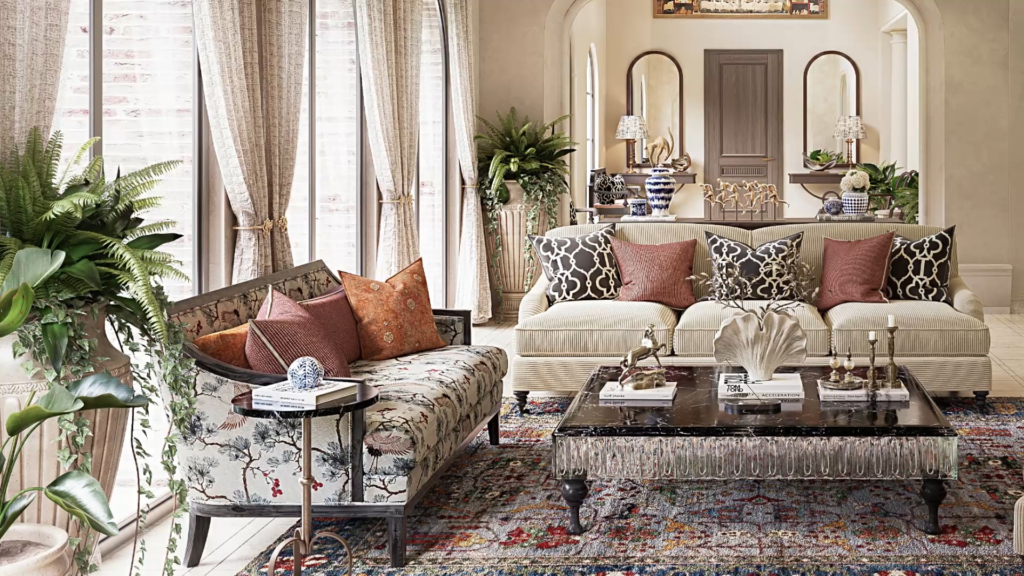
Instead, there is a shift toward low-density developments, expansive acreages, and masterfully planned sightlines. This structural shielding is essential. When an estate houses a highly expressive, intensely customized inner world—lavishly adorned with bespoke furniture, custom tapestries, and master-crafted art installations—the home becomes a sacred sanctuary.
It acts as a protective frame for a lifestyle designed by an exclusive luxury atelier, ensuring that India's powerhouses can step off the global stage and retreat into an uncompromised personal realm.
Layered Architecture Tailored to Location
The sign of an elite architectural practice is the rejection of duplicated facades. In the ultra-luxury residential sector of 2026, the ultimate design sin is 'interchangeability'.
A home on the sun-drenched hillsides of Goa should never look like a penthouse overlooking Dubai’s marina, nor should it borrow the stark, clinical lines of a North European glass pavilion.
True luxury demands site-specific, contextual design that is deeply rooted in the soil it occupies. This requires a masterful fusion of climate-responsive engineering and regional narrative.
To craft a home that endures, design must optimize for local weather patterns, solar paths, and natural topographies. This is achieved by utilizing heavy regional timber, hand-carved local stone, and traditional lime plastering techniques.
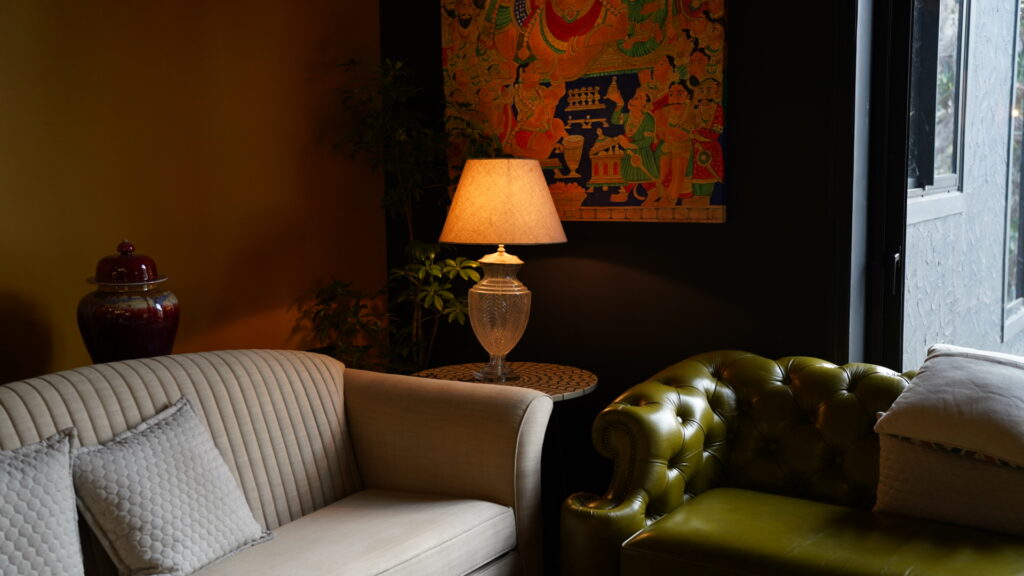
Rather than clashing with the environment, these structural elements ground the property, creating a sophisticated framework for opulent maximalist interiors. It allows European or Colonial architectural symmetries—such as expansive arched fenestrations—to gracefully coexist with proudly Indian structural silhouettes.
This approach naturally elevates indoor-outdoor living from a marketing buzzword to an immersive daily ritual. Standard, uninspired balconies are discarded. Instead, boundaries are deliberately blurred through the implementation of:
- Monumental Central Courtyards (Angans): Serving as private, micro-climate-controlled thermal anchors that draw breeze through the house.
- Deep, Shaded Verandahs: Styled with custom handcrafted furniture that allows for outdoor lounging even during torrential monsoons.
- Strategically Positioned Water Bodies: Mirroring pools and plunge basins situated to frame nature as a dynamic, living artwork.
When architecture bows to its context, the transition between interior sanctuary and nature is entirely seamless, establishing a sense of place that cannot be bought or replicated elsewhere.
The Invisible Layer: Longevity and Build Quality
The true litmus test of an extraordinary estate occurs long after the hand-carved furniture is placed and the final layers of custom brassware are polished.
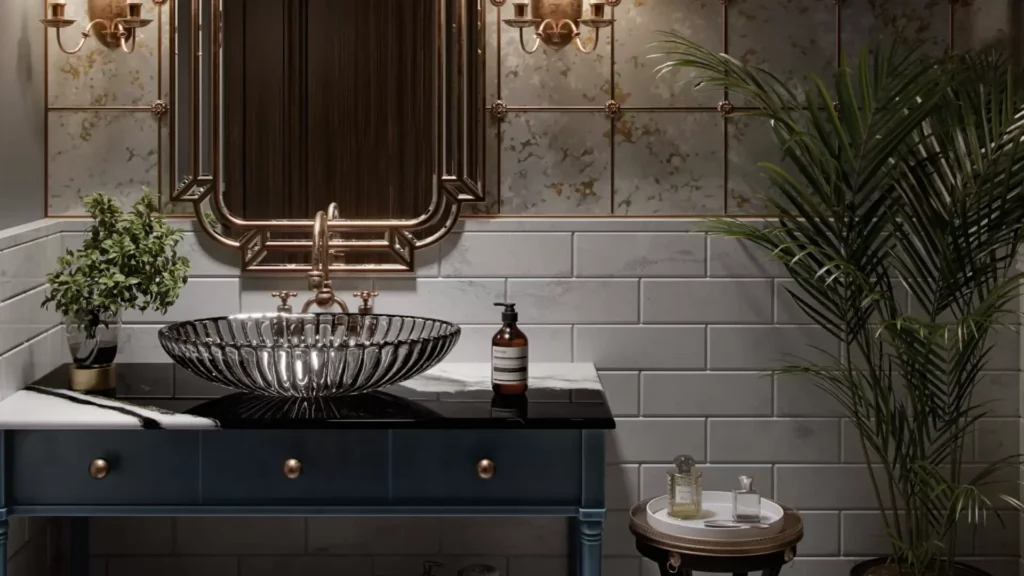
Real luxury possesses an invisible layer: structural integrity. An opulent maximalist interior—adorned with heavy inlaid stone flooring, floor-to-ceiling boiserie, and monumental wrought-iron chandeliers—demands an uncompromised structural canvas beneath the surface.
It is impossible to sustain a masterpiece on fragile bones.
In regions prone to intense microclimates, from the moisture-heavy monsoons of Goa to the extreme temperature swings of Delhi, compromised build quality is a fatal flaw. A failure in subsurface engineering behaves like a slow-poisoning agent to bespoke design:
- Substandard Waterproofing: Instantly destroys rare, hand-painted heritage murals and dampens custom silk wallpapers.
- Flimsy Wall Thickness: Leads to poor thermal tracking and acoustic bleeding, ruining the quiet intimacy of private chambers.
- Unseasoned Timber Frames: Warp over time, causing bespoke doors and intricate ceiling filigrees to buckle.
A master-crafted estate must be engineered like a superyacht—completely impervious to the elements, mechanically flawless, and structurally sound enough to safeguard your private collection for generations.
The modern ultra-HNI investor is acutely aware that a cut corner in the foundational phase translates to a perpetual cycle of disruptive maintenance. True luxury requires an unyielding commitment to advanced waterproofing, robust double-brick thermal massing, and premium grade-A seasoned hardwoods. Only when the hidden skeleton of a home is flawless can its outward opulence remain entirely timeless.

Service and Management: The Effortless Ownership Model
An extraordinary home should be an oasis of rejuvenation, not an additional line item on your operational calendar. Because these deeply personalized masterpieces—particularly in destination enclaves like Goa or Kasauli—frequently serve as secondary or tertiary seasonal escapes, the logistical reality of maintaining them can quickly become a burden.
When a home is a living gallery filled with bespoke metalwork, hand-woven silk draperies and porous regional stonework, ordinary property upkeep simply will not suffice.
The modern elite recognize that the true luxury of a second home lies in absolute, friction-free convenience. When analysing how an estate operates throughout the year, the distinction between independent maintenance and professional curatorship is stark:
- The Self-Managed Model: Pitches the owner into an unpredictable cycle of coordinating standalone vendors, managing structural wear from intense microclimates, and dealing with specialized artisanal care. This typically siphons away 80 to 120 hours of personal time annually, often culminating in an arrival experience marred by urgent oversight rather than relaxation.
- The Fully Managed Model: Entrusts the property to an on-site asset management ecosystem. A dedicated hospitality team oversees routine preventative maintenance, optimizes climate controls to preserve delicate interiors, and coordinates white-glove staffing.
Ultimately, this turnkey infrastructure guarantees that the transition from a global boardroom or private flight to your personal sanctuary is completely unblemished. The doors open, the lighting scene is perfectly set, and the estate is immediately alive and ready to welcome its master.
Redefining Indian Luxury and the Final Outlook
As we look toward the horizon of residential design, it is evident that the traditional coordinates of prestige have fundamentally shifted.
The legacy definitions of luxury—once tethered strictly to metropolitan proximity and the sterile uniformity of globalized architecture—have given way to a far more profound pursuit. The modern elite are actively choosing curated escapes to nature, trading congested urban prestige for the morning light filtering through regional canopies, pristine scenic vistas, and tranquil courtyard pools that complement a richer, deeply personal interior narrative.
In this new landscape, the only residential investments that retain true, unassailable worth are those that reject the ordinary. By embracing the brilliant philosophy of identity-driven maximalism, visionary spaces celebrate who their owners are rather than what they wish to subtract.
When an estate is conceptualized not as a mere structure, but as a collector's artwork, it ceases to be real estate—it becomes a living legacy.
This is the exact frontier where Bottega Di Lusso, spearheaded by founders Nippy Sawhney and Priyanka Lulla, has quietly established its domain.
As an ultra-exclusive luxury atelier crafting unparalleled environments across India and Dubai, the firm has proven that true opulence lies in the bespoke. By uniting master-crafted regional elements with contemporary practicalities, they construct one-of-a-kind masterpieces that offer the ultimate trifecta: uncompromised structural longevity, enduring generational asset value, and profound emotional fulfillment.
To step inside a home styled by this circle is to leave the predictable world behind and enter a realm reserved exclusively for the true powerhouses of our time.