

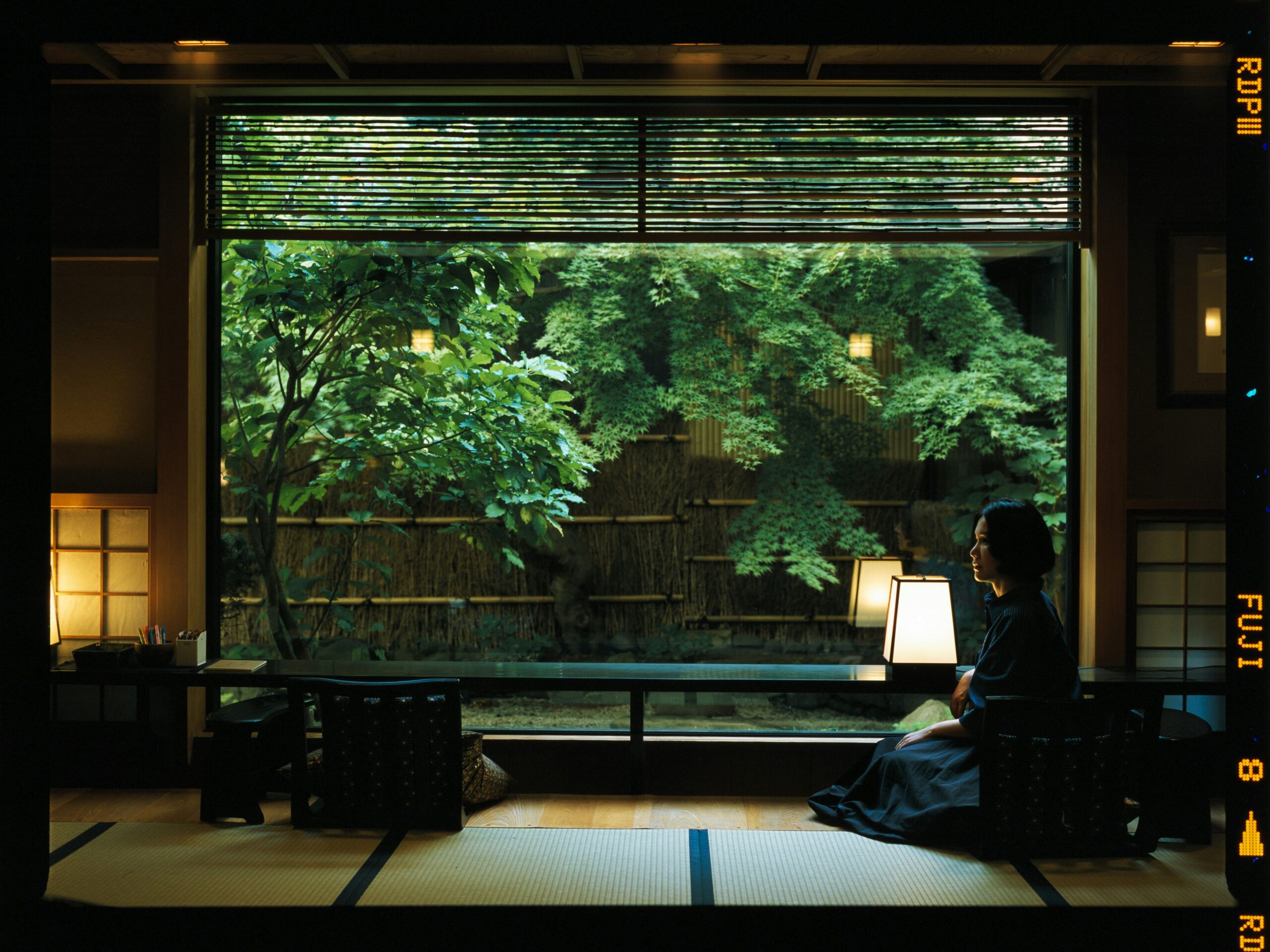
Luxury has always been associated with what a home allows us to experience visually. Expansive living spaces, exquisite materials, bespoke furnishings, dramatic lighting and intricate craftsmanship often define the language of an exceptional residence. Yet, there is another dimension of luxury that is rarely discussed, despite influencing the quality of everyday living: silence.
Imagine returning to an exquisitely designed penthouse, only to hear the constant hum of traffic, conversations from neighbouring apartments or the movement of people through shared spaces. Despite its visual grandeur, something feels incomplete.
The ability to retreat from the noise of the outside world is an understated privilege. In today's increasingly dense urban environments, acoustic privacy is becoming an essential consideration in luxury residential design. Because a truly exceptional home should not only be beautiful to look at; it should also be a sanctuary to experience.

The Urban Noise Challenge: When the Outside World Enters Your Home
Modern cities such as Delhi, Mumbai and Dubai offer an extraordinary lifestyle, with access to business districts, cultural destinations, entertainment and world-class amenities. However, urban convenience often comes with an increase in surrounding noise.
Traffic, construction activity, commercial establishments and neighbouring developments create a constant acoustic backdrop. Within residential buildings, sound can travel between apartments through shared walls, floors, ceilings and poorly insulated windows. Even everyday household activities, from television conversations to kitchen operations, can interrupt the tranquillity of adjoining spaces.
The challenge becomes particularly relevant in high-rise residences, where proximity to neighbouring homes and shared infrastructure can compromise privacy.
The objective of acoustic design, however, is not to eliminate every sound. It is to create an environment where unwanted noise is controlled, personal spaces remain private and different activities can coexist without constantly disturbing one another.
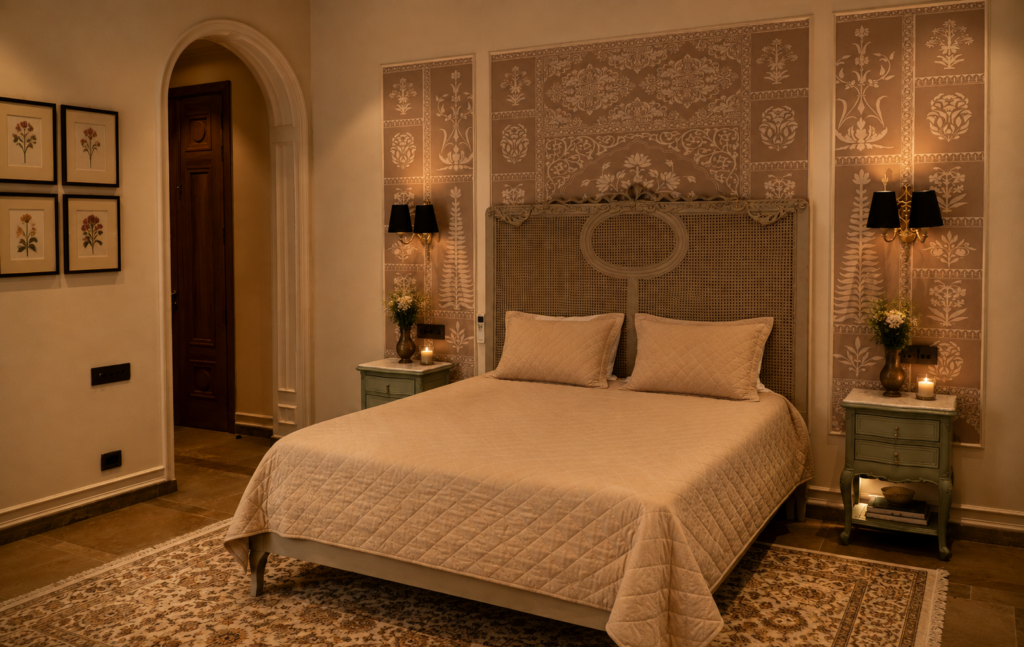
Designing for Silence: The Importance of Spatial Planning
Acoustic comfort begins long before the selection of materials or decorative finishes. It starts with the way a residence is planned.
Thoughtful spatial zoning allows different areas of a home to serve their intended purposes without interfering with one another. Living rooms, dining areas and entertainment spaces naturally accommodate greater activity, while bedrooms, reading corners and private lounges require a quieter atmosphere.
Separating these zones through intelligent planning helps establish a natural hierarchy of privacy.
For instance, positioning bedrooms away from entertainment areas, elevators, service corridors and busy external-facing spaces can significantly improve the experience of rest. Transitional spaces such as entrance foyers, corridors and intermediate rooms can also act as buffers between active and quieter areas.
In larger residences, the separation of staff circulation, utility spaces and service areas from primary family spaces further contributes to a more peaceful environment.
The distinction between a well-designed home and an exceptional one often lies in these seemingly invisible decisions. Spatial planning should consider not just how people move through a residence, but also how sound moves within it.
The Architecture of Acoustic Comfort: Materials That Make a Difference
Once the spatial foundation is established, material selection plays an equally important role in controlling sound transmission and reverberation.
Acoustic comfort is achieved through a combination of appropriate insulation, construction detailing and sound-absorbing surfaces, each addressing a different aspect of the acoustic environment.
Acoustic glazing is particularly valuable in urban residences. High-performance double-glazed or laminated glass can help reduce external noise entering through large windows, especially in apartments overlooking busy roads or commercial districts. The overall performance depends on glass specification, framing and installation quality.
Insulated walls and partitions help limit the transmission of sound between adjoining rooms and residences. Properly designed wall assemblies, insulated cavities and acoustic detailing can make a meaningful difference to residential privacy.
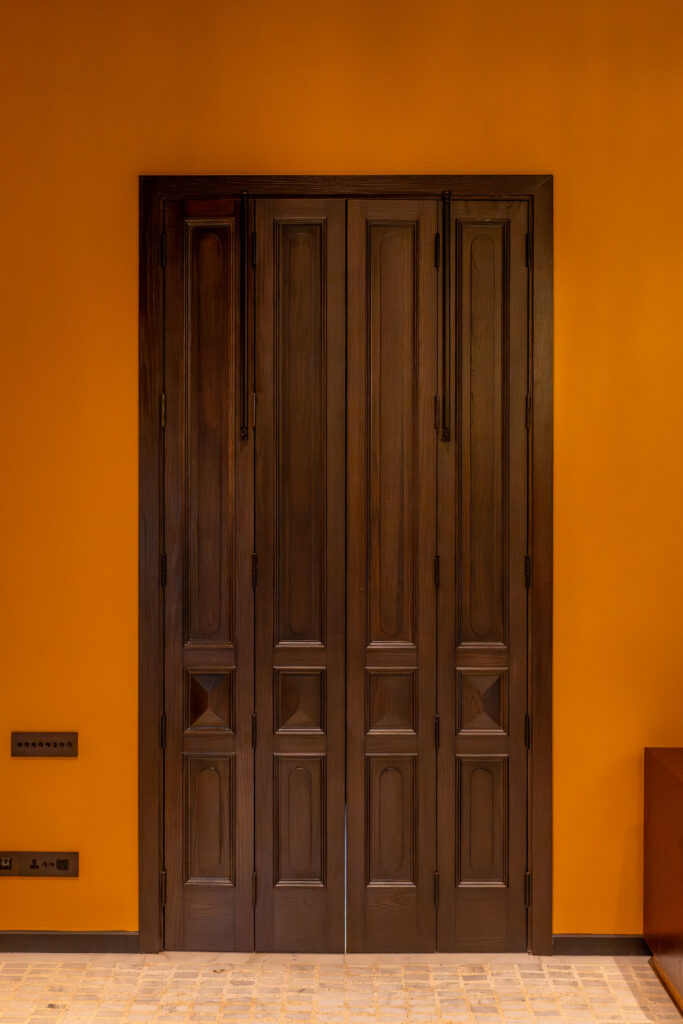
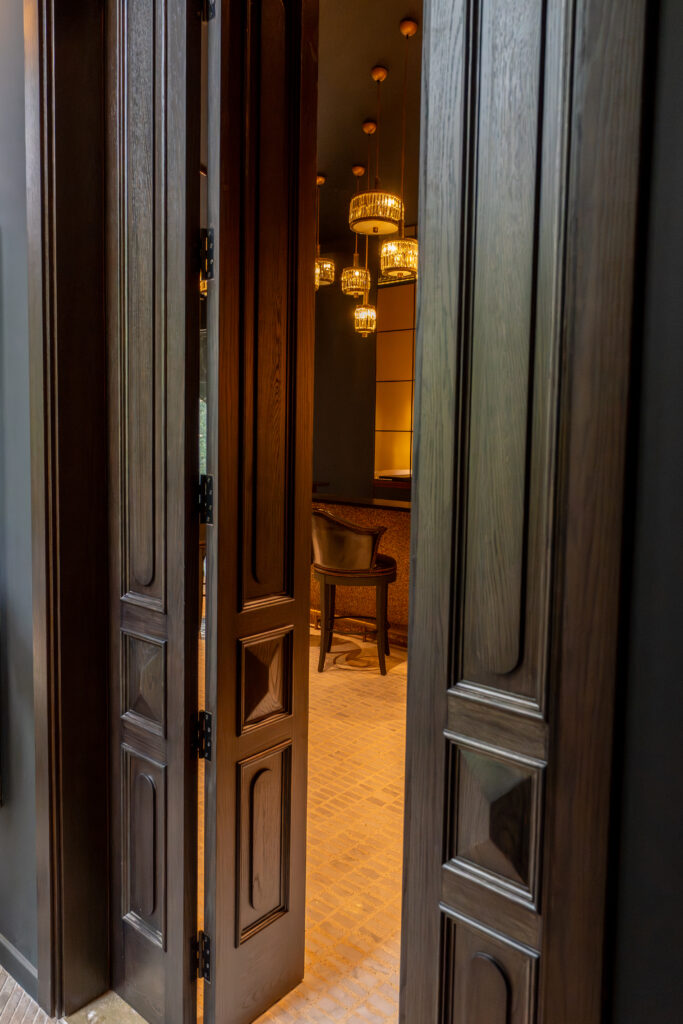
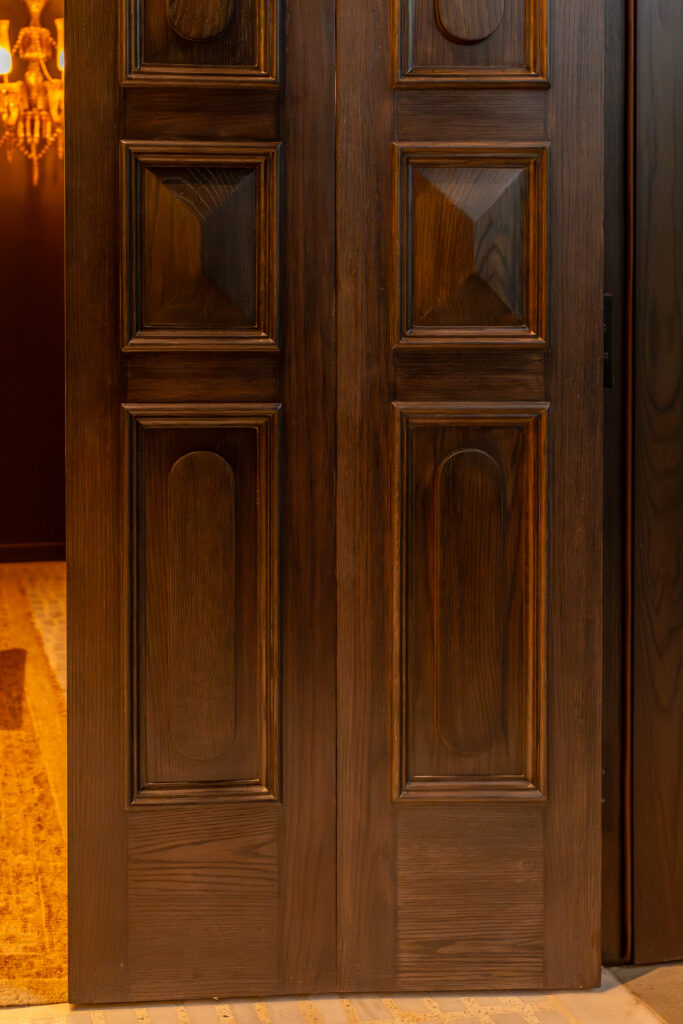
Solid-core doors and acoustic seals help prevent sound from travelling between spaces, particularly when bedrooms, entertainment rooms and private lounges require greater separation.
Flooring and soft furnishings also contribute to the acoustic experience. Rugs, carpets, upholstered furniture, layered curtains and textured wall treatments absorb reflected sound, helping reduce echo and creating a softer acoustic environment.
Even ceilings can be designed to improve sound absorption, particularly in expansive living rooms and double-height spaces where sound may otherwise reverberate.
For a design studio, the opportunity lies in integrating these functional considerations seamlessly into the visual language of the home. Acoustic treatments can be incorporated into bespoke wall panelling, decorative ceilings, upholstered surfaces and layered drapery without compromising the richness of the interiors.
The Bedroom: Where Acoustic Privacy Becomes Personal
Among all the spaces within a residence, the bedroom perhaps benefits most from thoughtful acoustic planning.
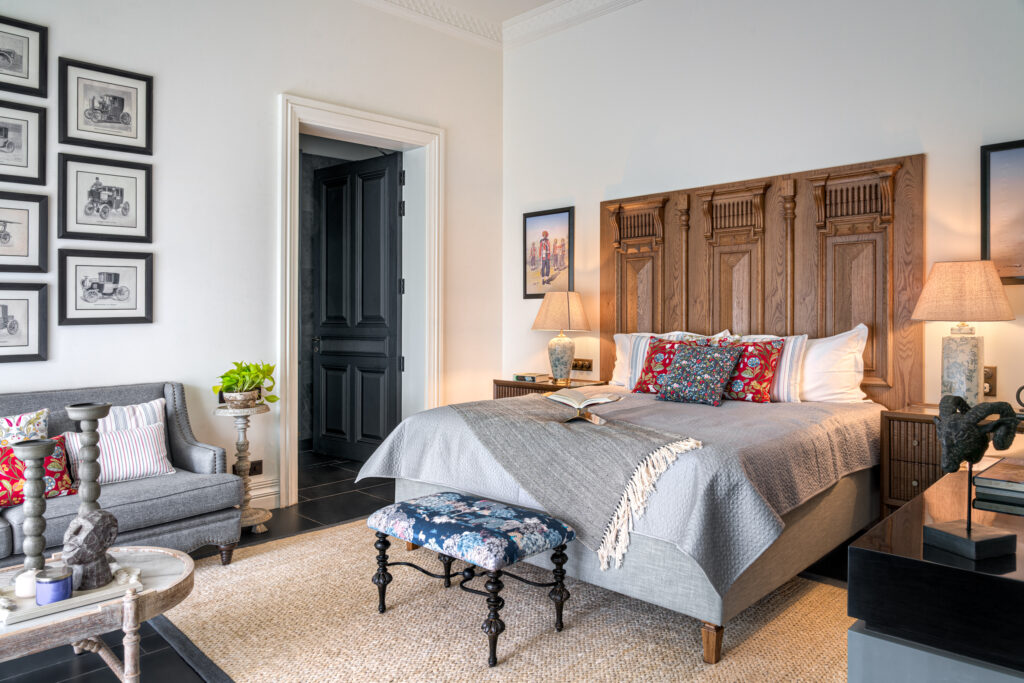
It is the most personal environment within a home, a place associated with rest, reflection and the freedom to disconnect from everyday demands. Its design should therefore extend beyond luxurious bedding, statement headboards, ambient lighting and exquisite finishes.
Bedrooms should ideally be positioned away from high-activity areas, with particular attention given to adjoining walls, doors and service installations. Walk-in wardrobes, dressing areas and intermediate spaces can provide additional separation from neighbouring rooms or household activity.
Layered curtains, upholstered headboards, rugs and carefully selected wall finishes can further soften the acoustic environment.
In residences designed for families, acoustic privacy between children's bedrooms, master suites and shared spaces becomes equally important.
Ultimately, a luxurious bedroom should offer something beyond visual indulgence: the comfort of knowing that the world outside can continue at its own pace while the space within remains undisturbed.
Noise Buffers: Creating Layers Between the Home and the World
True acoustic privacy rarely depends on a single design intervention. It is often the result of multiple layers working together.
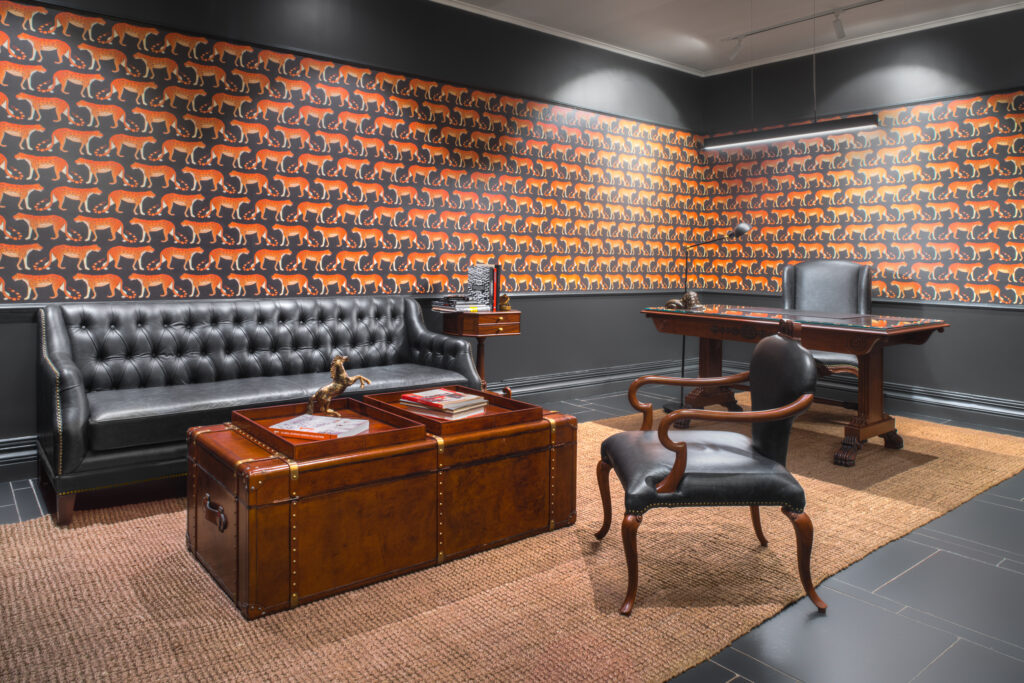
Entrance foyers, private corridors, walk-in wardrobes and transitional spaces can create physical separation between areas with different levels of activity. A well-positioned study, for instance, can be protected from the noise of a family lounge through an intermediate circulation space.
Landscaped balconies, planted terraces and internal courtyards can also contribute to a greater sense of separation from the surrounding urban environment. While landscaping is not a substitute for proper sound insulation, it can complement an integrated approach to residential privacy.
In larger residences, thoughtfully positioned service areas, private gardens and intermediate lounges create additional layers between the home's social and intimate environments.
These transitions are especially valuable in expansive residences where multiple activities take place simultaneously.
The idea is simple: rather than relying on one barrier to protect the home from external disturbances, create a series of considered spaces that gradually separate the private world of the residence from its surroundings.

The Psychology of Quiet: How Sound Shapes the Experience of Living
The importance of acoustic privacy extends beyond architecture and interior design. It is closely connected to how people experience their homes.
Constant exposure to unwanted noise can make it difficult to relax, concentrate or enjoy uninterrupted rest. Conversely, a quieter environment can support more comfortable conversations, focused work, reading and moments of personal retreat.
For families, acoustic zoning allows different members to enjoy their individual routines without competing for the same environment. One person can work in a private study while another entertains guests in the living room. Children can rest while household activities continue elsewhere.
In a world that rarely slows down, the ability to control one's immediate environment becomes increasingly valuable.
A home should offer the freedom to be expressive, social and entertaining when desired, while providing the opportunity to retreat into quiet when needed.
Perhaps this is one of the most meaningful dimensions of luxury: having complete control over the atmosphere in which one lives.
Beyond Aesthetics: A New Definition of Luxury Living
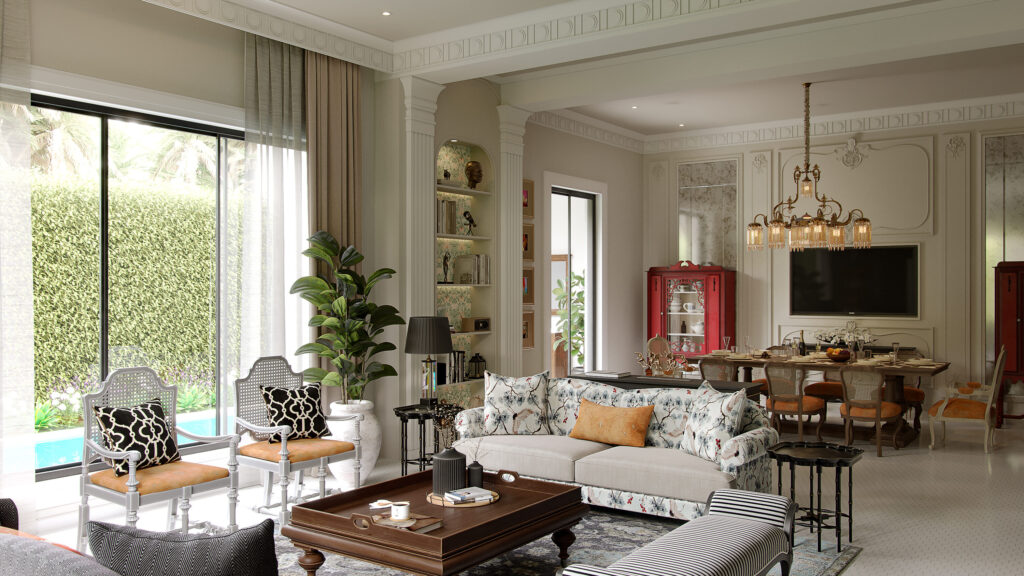
Luxury residential design is evolving beyond the traditional emphasis on scale, materials and visual grandeur. Increasingly, the quality of a home is being measured by how thoughtfully it accommodates the everyday experiences of those who inhabit it.
Acoustic privacy is an important part of this evolution. It brings together architectural planning, material intelligence, craftsmanship and an understanding of how different spaces should feel.
At Bottega Di Lusso, the philosophy of creating extraordinary residences extends beyond their visual expression. Lavish maximalist interiors, bespoke detailing and carefully curated materials are part of a larger design experience, one where comfort, functionality and atmosphere deserve equal consideration.
Because a home can be visually magnificent and still feel incomplete if it cannot offer peace.
The ultimate expression of luxury is not always what a home reveals to the world. Sometimes, it is everything it allows you to leave outside.