

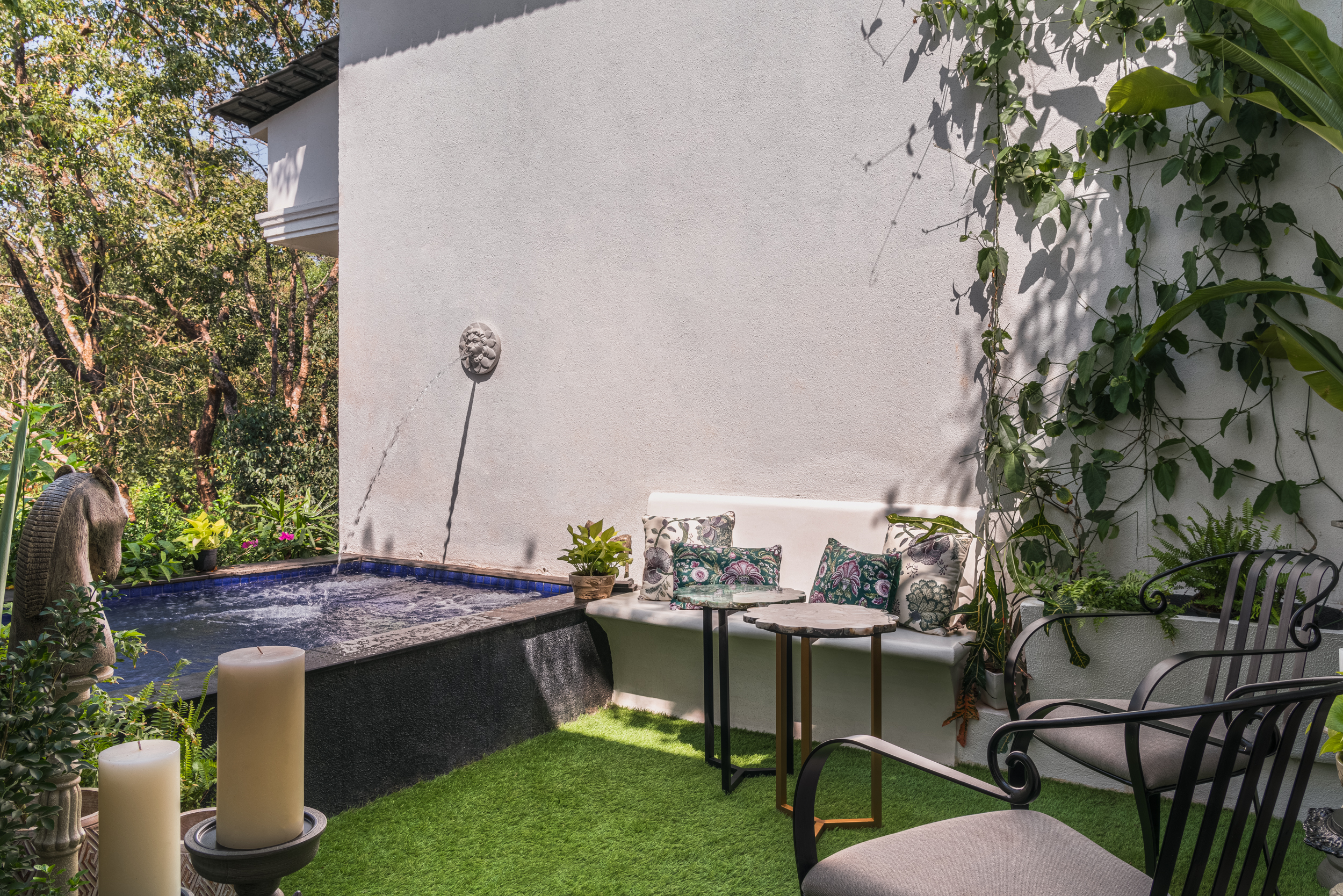
A home rarely feels personal simply because it contains expensive furniture. It feels personal when the things inside it seem to belong there—and belong to the people who live there. Bespoke furniture makes this possible because it is designed around specific people, spaces, habits, and aesthetic preferences rather than produced for an anonymous mass market.
Choosing bespoke furniture for homes allows an interior to reflect the lived experience of its inhabitants rather than the temporary trends of a showroom floor. When a piece is conceived specifically for a space, it stops being an isolated product and becomes a natural extension of the household.
What Makes Furniture Feel Personal?
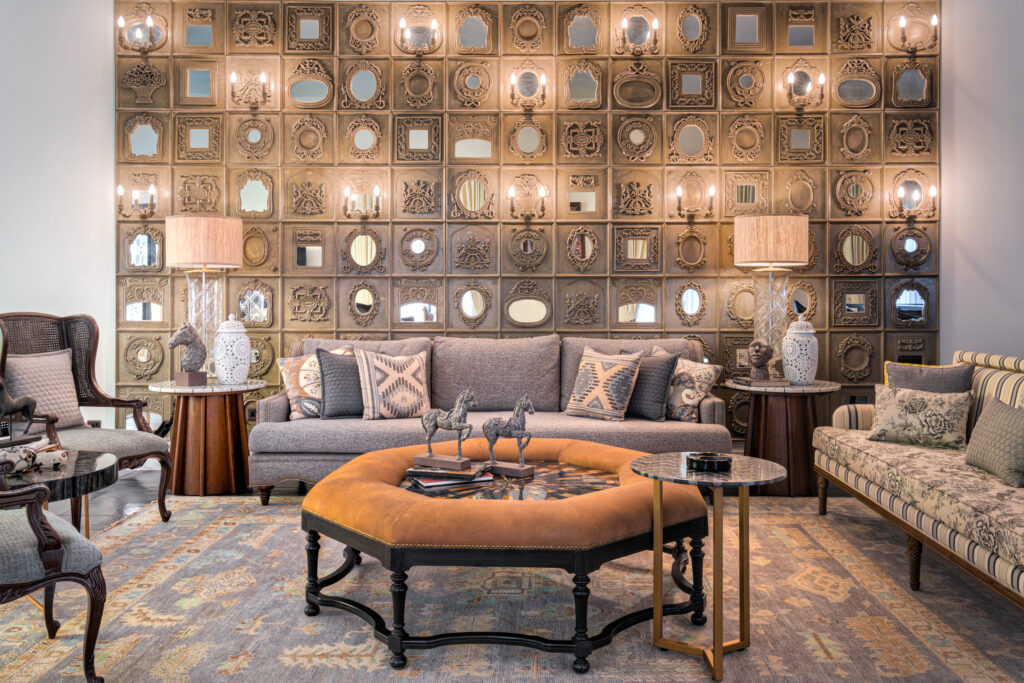
Decoration is often confused with personalisation. True personalisation occurs when furniture reflects how residents actually live, from their preferred proportions and daily routines to their entertaining style and storage requirements. It incorporates preferred materials, cultural references, aesthetic preferences, and the specific collections or objects they wish to display.
There is a fundamental conceptual difference in how pieces are created. Ready-made items ask, “What does this piece look like?” In contrast, personalised furniture asks, “What does this person need this piece to do—and how should it feel?” Answering that second question changes everything about how a room functions and feels over time.
Bespoke Furniture Is Designed Around the Person
Customisation goes far beyond choosing upholstery fabric or altering standard dimensions. Through thoughtful bespoke furniture design, every aspect of an item responds directly to the owner’s lifestyle, habits, and personality.
In terms of lifestyle, a sofa can be designed around how a family actually sits together, or a dining table can be proportioned specifically for frequent dinner parties. A bar can be structured around a host's specific way of entertaining, while a reading chair is positioned to catch light from a particular window.
Daily habits dictate functional decisions. Custom furniture accommodates specific seating postures, integrated technology, book collections, tailored storage requirements, and everyday routines. On a personal level, custom-made furniture expresses individual colour choices, material preferences, cultural influences, travel memories, and an appreciation for specific craft traditions.
At Bottega Di Lusso, the process begins with observation. The designer must understand the person before designing the object.
It Belongs to the Architecture, Not Just the Room
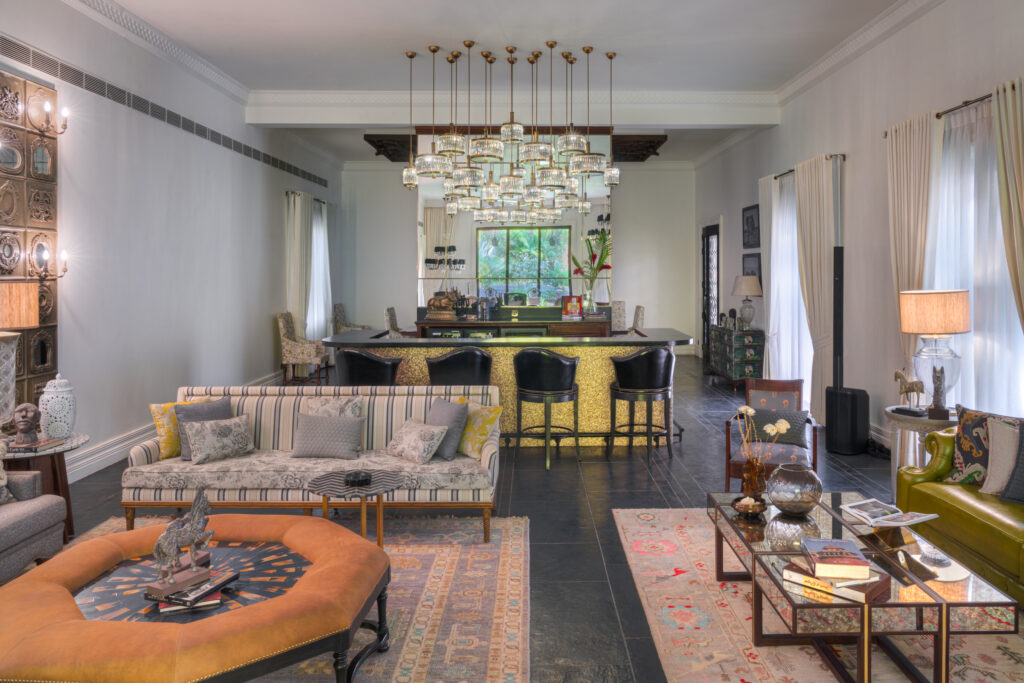
A ready-made piece is typically placed into a room. In contrast, bespoke interior design allows a piece and the architecture to be conceived together. A bespoke piece can be designed as part of the room.
This distinction matters when dealing with unusual room dimensions, awkward corners, architectural niches, specific window placements, ceiling heights, circulation paths, and sightlines. Instead of competing with structural constraints, furniture designed for your home works alongside architectural materials and room proportions.
In high-end residential interiors, furniture rarely exists in isolation. It must converse with surrounding stone, timber, metal, wall treatments, lighting, artwork, and architectural detailing. By responding directly to these elements, bespoke furniture creates a sense of spatial harmony that off-the-shelf items cannot replicate.
Personalisation Goes Beyond Size and Colour
Reducing custom work to simple dimensional tweaks misses the depth of what is possible. Personalisation operates across several distinct layers:
- Form: The silhouette, proportions, and geometric presence of the piece.
- Material: The conscious selection of wood species, stone, metal, leather, or fabric.
- Finish: Decisions regarding polish, patina, surface texture, sheen, and exact colour.
- Function: Integrated storage, modular capabilities, concealed technology, and seating comfort.
- Detail: The deliberate execution of handles, joinery, stitching, edge profiles, inlays, and hardware.
- Emotional Layer: Incorporating subtle references and details that hold personal meaning for the homeowner.
This multi-layered approach ensures that luxury bespoke furniture is designed with genuine meaning rather than merely for appearance.
Materials, Craftsmanship & Detail Create Character
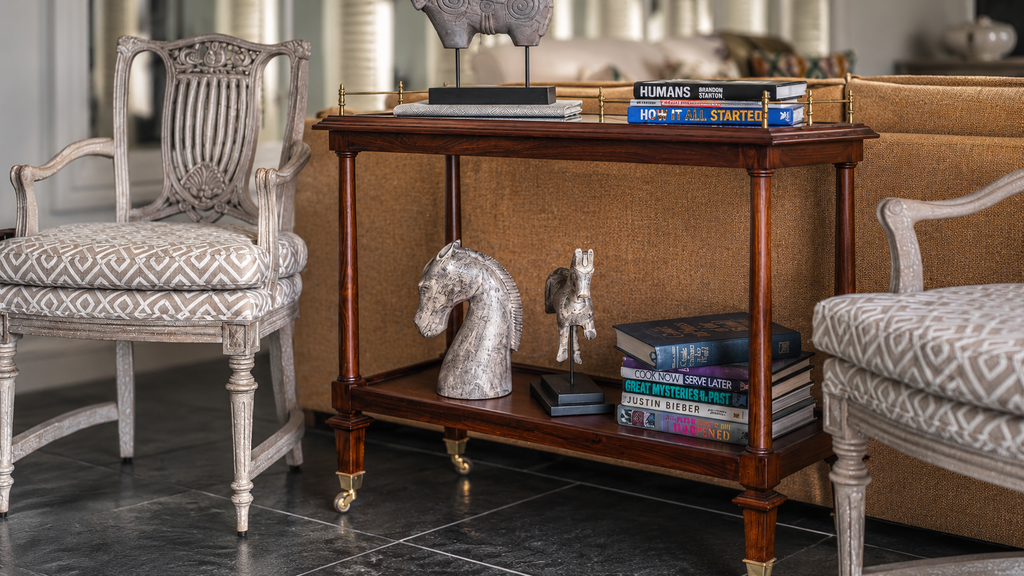
The distinct character of bespoke furniture often stems from choices that are not immediately obvious. Tactile materials, hand-finished surfaces, joinery, proportions, upholstery details, edge profiles, hardware, and artisanal techniques all contribute to how a piece is experienced.
Rather than making sweeping claims about longevity, it is more accurate to say that bespoke furniture gives the designer and client greater control over the materials, construction, and finishing decisions. Natural variations in raw materials and the subtle marks of craftsmanship impart an authentic presence. Every hardware choice and edge treatment reflects deliberate intent rather than manufacturing expediency.
When Furniture Tells a Story
Objects acquire meaning through the narratives they carry within a home. A dining table can become the anchor around which generations gather, while a cabinet can be designed specifically to house a collection accumulated over years. A chair might draw inspiration from a favourite place, or a material might directly connect to the home's architectural heritage. In other instances, an Indian craft technique might be interpreted through a contemporary lens.
Bottega Di Lusso approaches interiors with a clear philosophy: a personal home shouldn't look assembled from a catalogue. It should feel accumulated, considered, and lived in. Personal interiors are not created by simply adding more objects; they are created by making more intentional choices.
Bespoke vs Ready-Made Furniture: What Actually Changes?
Evaluating bespoke furniture against ready-made options requires a clear decision framework rather than a simple comparison list:
- Ready-made furniture: Designed for a broad market, featuring standard dimensions and limited material choices. It is designed as an individual product that is faster to purchase and convenient.
- Bespoke furniture: Designed for a specific person with space-specific dimensions. Materials can be deliberately selected, allowing the piece to be designed in tandem with the interior through a deliberate design and making process.
Neither approach is inherently right for every piece in a home. The value of bespoke furniture is greatest when the relationship between the furniture, the person, and the space genuinely matters.
Personalisation is not about putting your name on a piece of furniture. It is about making decisions that could only have been made for your home. Furniture becomes genuinely personal when scale, material, function, craft, and story are considered together. At Bottega Di Lusso, designing for an interior means crafting pieces that belong so completely to their surroundings and owners that they could exist nowhere else.