


The art of creating residences that transcend changing aesthetics through architectural intelligence, material integrity, exceptional craftsmanship and deeply personal design.
Luxury design has always been influenced by the times in which it exists. Colour palettes evolve, furniture silhouettes come and go, materials gain popularity and architectural styles find new interpretations. Yet, some residences possess a quality that seems almost immune to these changing preferences. They remain captivating decades after their creation, not because they have resisted change, but because they were never entirely dependent on it.
This is the distinction between a home designed around a trend and one designed around a philosophy.
For discerning homeowners, the idea of luxury extends far beyond acquiring the finest materials or incorporating the latest design innovations. It lies in creating an environment that feels deeply personal, functions effortlessly and continues to inspire long after the initial excitement of a new residence has settled.
A timeless home is not necessarily understated, nor does it subscribe to a singular aesthetic. It can be richly layered, architecturally expressive, intricately detailed and unapologetically maximalist. What defines its longevity is the thought behind every decision, from the proportions of a room to the texture of a wall, the craftsmanship of a furniture piece and the relationship between adjoining spaces.
So, what truly makes a luxury home timeless? The answer lies in a series of considered design decisions that extend well beyond aesthetics.
1. Architecture Before Aesthetics: The Importance of Proportion
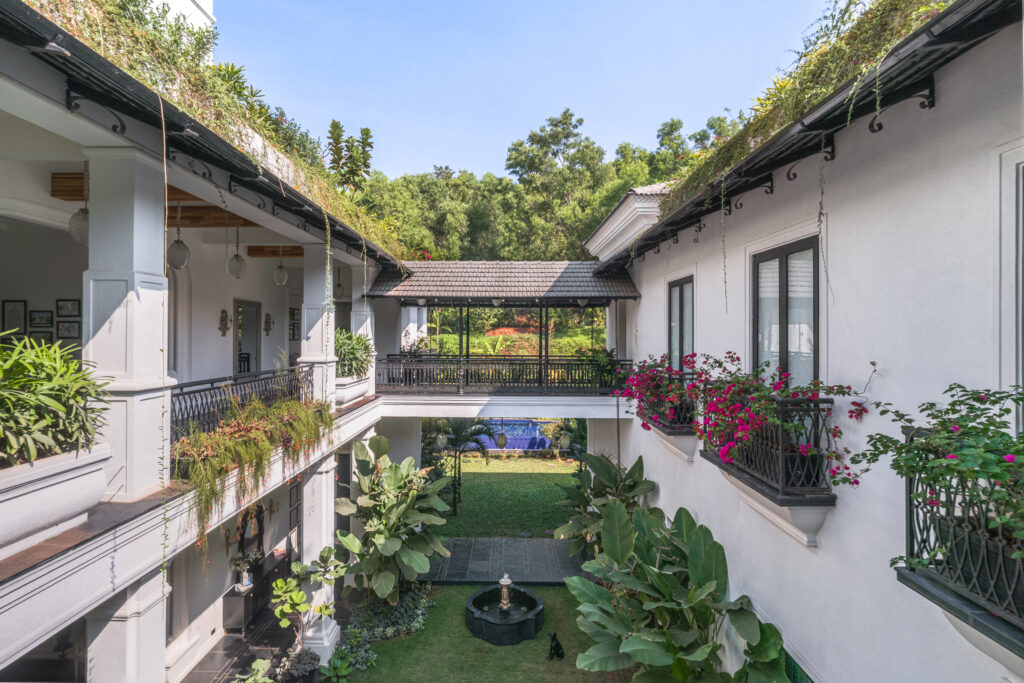
The most enduring residences begin with something that rarely changes with fashion: good architecture.
Before furniture is selected, materials are specified or decorative elements are introduced, the architectural framework establishes how a home will be experienced. Its proportions, spatial volumes, ceiling heights, openings and structural relationships determine the visual harmony and functionality of every space within it.
Consider the relationship between a room's ceiling height and floor area. An expansive living room with thoughtfully proportioned ceilings creates a sense of grandeur without necessarily requiring elaborate ornamentation. Similarly, the placement of windows, doorways and architectural openings can establish a natural rhythm throughout a residence, creating a sense of balance that remains relevant across changing interior styles.
Architectural symmetry, considered scale and visual continuity are equally important. These principles allow individual spaces to feel connected without appearing repetitive. They also provide a cohesive foundation upon which different design expressions can be introduced.
Equally significant is the relationship between a residence and its surroundings. A home in Goa, for instance, might benefit from generous openings, transitional outdoor spaces and architectural elements that respond to its tropical environment. A metropolitan residence in Mumbai or Delhi may require a different approach to light, privacy, spatial efficiency and urban context.
The objective is not to follow a particular architectural vocabulary, but to understand what makes a building feel inherently harmonious within its environment.
Ultimately, beautiful interiors can enhance architecture, but they cannot compensate for a poorly considered spatial foundation. When proportions are right, even the most elaborate interior treatments have a natural sense of belonging.
2. Materials That Age With Character
Some materials become more beautiful with time. Others are designed primarily to look impressive in the moment.
Understanding this distinction is fundamental to creating a residence with lasting appeal.
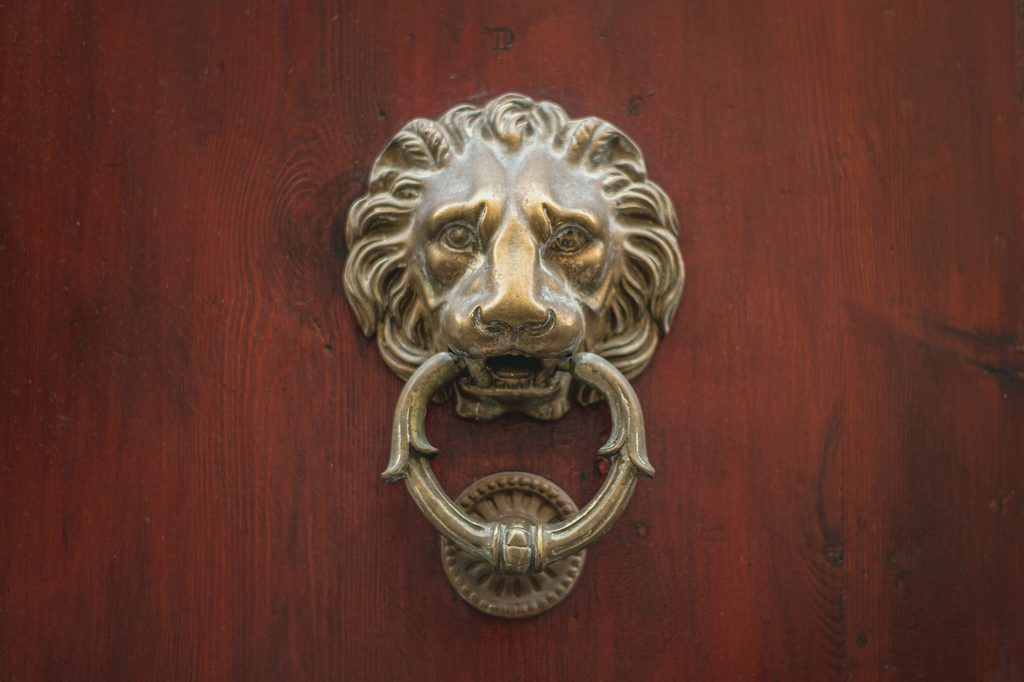
Natural materials have an inherent individuality that manufactured finishes often struggle to replicate. The veining of marble, the grain of solid timber, the subtle variations in travertine and the evolving patina of brass introduce an organic quality that gives interiors depth and character.
Unlike finishes selected solely for their immediate visual impact, these materials possess a tactile and visual richness that can continue to develop through everyday use.
Natural stone, for example, offers considerably more than a decorative surface. Its variations in colour, texture and pattern make every installation distinctive. Similarly, solid timber introduces warmth and depth, while brass, bronze and other natural metals can develop a patina that adds character rather than diminishing their appeal.
The same philosophy extends to fabrics and wall treatments. Natural linen, silk, velvet, hand-applied plaster and textured finishes create layers of sensory richness that make a residence feel more considered and less manufactured.
However, selecting natural materials is only part of the equation. Their application matters just as much.
A beautiful stone may lose its impact when paired with incompatible finishes. An intricate timber detail may feel out of place without a complementary architectural language. The real skill lies in understanding how different materials interact, contrast and complement one another.
This becomes particularly important in lavish interiors, where multiple textures and finishes often coexist. The objective is to create a material palette that feels cohesive without becoming monotonous.
The finest luxury residences do not simply showcase expensive materials. They demonstrate an understanding of their inherent qualities, their limitations and the ways in which they can be brought together.
Because true material luxury is not about how a surface looks on the day it is installed. It is about how beautifully it continues to age.

3. The Human Touch: Craftsmanship Over Mass Production
There is a certain distinction between a beautifully furnished home and a home that has been thoughtfully crafted.
The former may contain exceptional furniture, accessories and finishes. The latter possesses an individuality that is difficult to reproduce because its defining elements have been conceived specifically for the space and the people who inhabit it.
This is where craftsmanship becomes central to timeless residential design.
Bespoke furniture, custom joinery, handcrafted lighting, intricate stone inlays and individually commissioned artwork introduce a level of detail that standardised products rarely achieve. They allow design elements to respond to the architecture rather than simply occupy it.
Traditional artisanal techniques also offer opportunities to incorporate cultural influences and heritage into contemporary residences. Hand-carved woodwork, intricate metal detailing, traditional weaving, marquetry and hand-painted surfaces can bring an extraordinary sense of depth to an interior.
These elements are particularly meaningful when they are integrated with contemporary design sensibilities. A handcrafted piece does not necessarily need to appear traditional, just as a contemporary interior does not need to exclude references to heritage.
The most compelling residences often emerge from this dialogue between different periods, techniques and influences.
Craftsmanship also extends beyond what is immediately visible. The precision of a furniture joint, the alignment of a stone surface, the quality of a cabinet finish and the detailing around architectural transitions all contribute to the overall experience of a home.
These are decisions that may not always command attention individually, but collectively determine whether a residence feels exceptional.
In an age where interiors can increasingly be replicated through mass-produced furniture and readily available finishes, craftsmanship offers something far more valuable: distinction.
A home with bespoke elements does not simply reflect a design aesthetic. It carries the imprint of the people, skills and creative decisions that brought it to life.
4. Spaces Designed Around the Art of Living
A residence may be visually extraordinary, but its true success is ultimately measured by how beautifully it supports everyday life.
This is why intelligent spatial planning is one of the most important, yet often overlooked, aspects of timeless luxury design.
The way people use their homes is rarely static. Families evolve, professional commitments change, entertaining preferences develop and personal interests take new directions. A well-designed residence must be capable of accommodating these shifts without losing its original character.
This begins with understanding the homeowner's lifestyle.
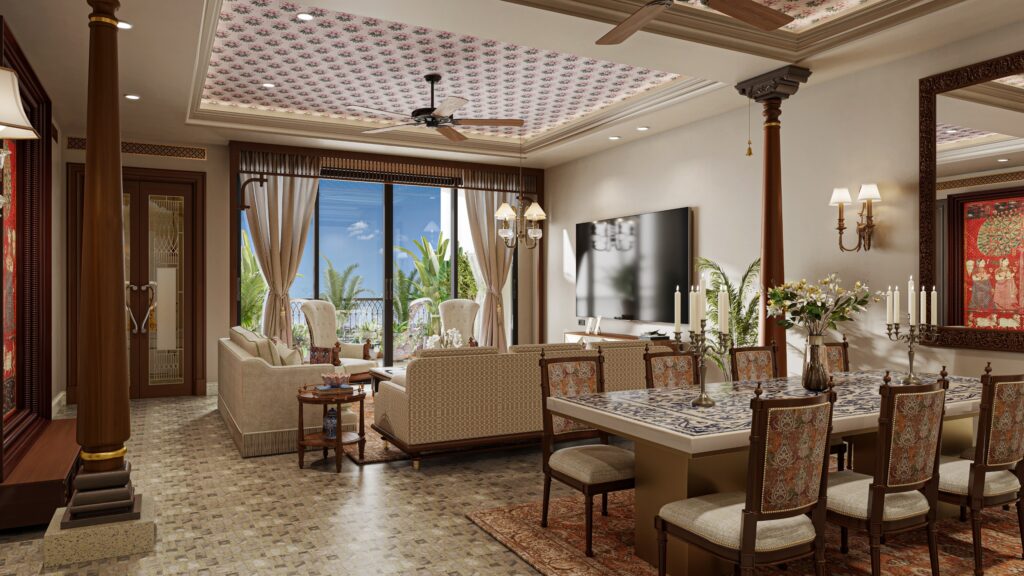
For some, the home is an extension of their social life, with expansive entertaining areas, formal dining spaces and seamless transitions between indoor and outdoor environments. For others, privacy, intimate family spaces, dedicated studies and quiet retreats may take precedence.
The challenge lies in creating a spatial arrangement that accommodates these requirements while maintaining a sense of visual and functional continuity.
Circulation and spatial transitions play a significant role here. Movement between rooms should feel intuitive, with public and private spaces positioned thoughtfully. Formal living areas should connect naturally to entertaining spaces, while bedrooms and personal retreats should maintain an appropriate degree of separation.
Equally important is the balance between openness and intimacy. Expansive layouts can create a sense of grandeur, but a home also needs smaller, more personal spaces where residents can retreat, unwind and enjoy moments of solitude.
Natural light and ventilation further influence the quality of these spaces. Thoughtfully positioned windows, balconies, courtyards and terraces can establish a meaningful relationship between the interiors and the outdoors.
In tropical destinations such as Goa, this connection becomes particularly important. Landscaped surroundings, shaded transitional spaces and natural airflow can become integral elements of the residential experience rather than simply architectural additions.
Practical considerations matter just as much. Integrated storage, considered lighting, acoustic comfort, appropriate furniture dimensions and well-planned service areas ensure that everyday functionality does not become an afterthought.
A truly luxurious home should not require its occupants to adapt to the design. The design should adapt to them.
5. The Timelessness of Individuality: Beyond Minimalism
Timelessness is often associated with restraint. Neutral palettes, clean lines, minimal ornamentation and understated furniture have become familiar expressions of enduring luxury.
While these approaches can create beautiful interiors, they are not the only way to achieve longevity.
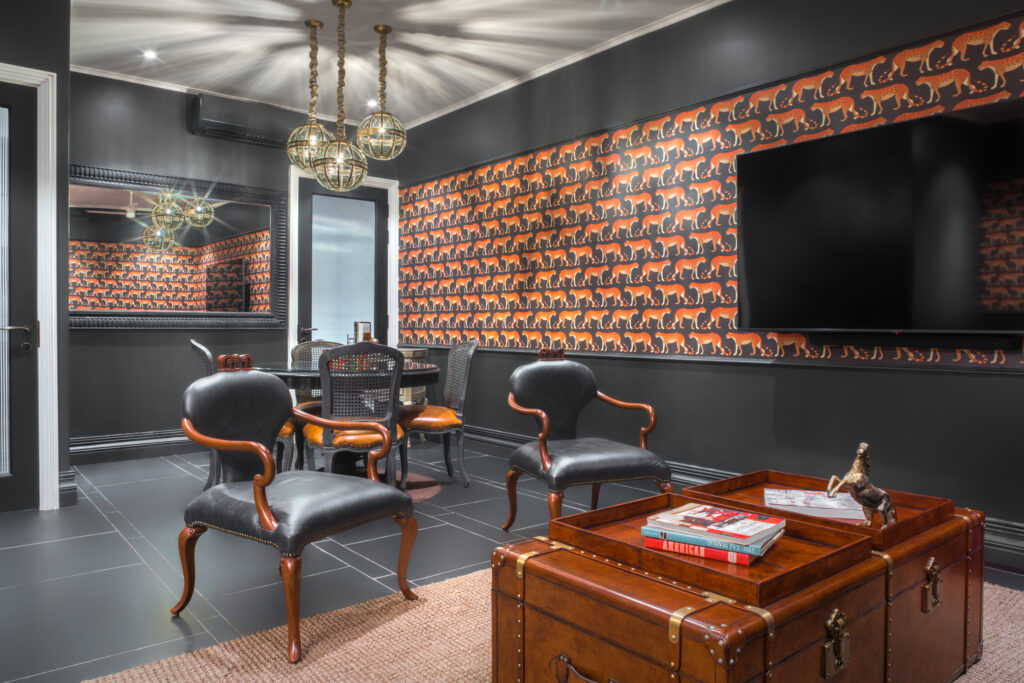
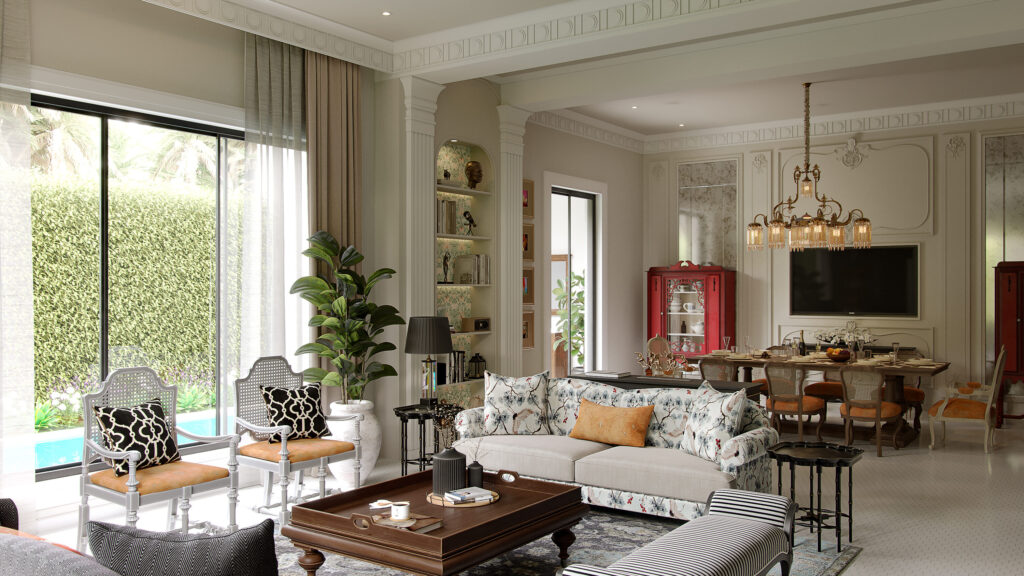
A richly layered, maximalist residence can be just as timeless when it is guided by a strong design philosophy.
In fact, some of the most memorable interiors are those that embrace colour, texture, ornamentation, art and decorative abundance without compromising visual coherence.
The distinction lies between excess and intention.
Maximalism, when thoughtfully executed, is not about filling every available surface or introducing as many decorative elements as possible. It is about creating a carefully composed environment in which different materials, colours, patterns, objects and forms contribute to a larger visual narrative.
A richly coloured wall might provide the perfect backdrop for an antique furniture piece. An ornate chandelier may create a striking contrast against restrained architectural detailing. Contemporary art can coexist with traditional craftsmanship, while layered fabrics and textured surfaces introduce warmth and depth.
The result is an interior that feels collected rather than assembled.
This is particularly relevant when designing homes for individuals with distinct personalities, cultural influences and personal histories. A residence can become a canvas for the homeowner's experiences, incorporating objects gathered through travel, inherited pieces, commissioned artwork and elements that hold personal significance.
Such interiors possess a quality that trend-led design often lacks: emotional connection.
When a home reflects the identity of the people who live in it, its relevance is no longer dependent on whether a particular colour, material or furniture style is currently fashionable.
This is where maximalism reveals its greatest potential.
A timeless maximalist interior is not defined by how much it contains, but by how meaningfully every element contributes to the whole.
It is possible to create visual richness without chaos, grandeur without excess and ornamentation without compromising elegance. The key is to establish a cohesive design language that allows individual elements to stand out while remaining part of a larger composition.
For a residence to feel truly distinctive, it should not simply reflect what luxury looks like at a particular moment. It should reflect what luxury means to the people who inhabit it.
6. Designing for Change: Creating Homes That Evolve
One of the most intelligent approaches to timeless residential design is recognising that a home will never remain exactly as it was on the day it was completed.
Technology evolves, families grow, interests change and lifestyles adapt. Even the most beautifully designed residence must accommodate these transitions.
This makes adaptability an important consideration from the earliest stages of planning.
A guest bedroom, for instance, might also function as a private study. A multipurpose family room could accommodate different activities over time. Furniture arrangements can be designed to allow spaces to evolve without requiring significant architectural intervention.
However, adaptability does not mean compromising on the permanence of design.
In fact, the most successful approach is to distinguish between the elements that should remain enduring and those that can be refreshed.
Architectural proportions, flooring, natural stone, built-in joinery, spatial planning and essential lighting infrastructure should be considered long-term investments. Decorative accessories, soft furnishings, accent furniture, artwork and certain surface treatments can provide opportunities for change.
This distinction allows homeowners to introduce new influences and preferences without having to reinvent the entire residence.
Technology also deserves consideration. Smart lighting, integrated climate control, automated shading and home entertainment systems should be incorporated thoughtfully, with sufficient infrastructure to accommodate future upgrades.
The objective is to ensure that technology enhances the residential experience without becoming the defining visual feature of the interiors.
Ultimately, adaptability is not about designing a home that is constantly changing. It is about creating a strong enough foundation that change can happen without compromising its identity.
7. The Art of Balance: Bringing Every Element Together
While architecture, materials, craftsmanship, spatial planning and individuality each contribute to timelessness, their true value emerges when they work together.
An exceptional residence is rarely the result of one extraordinary design decision. It is the cumulative effect of numerous considered choices, each reinforcing the next.
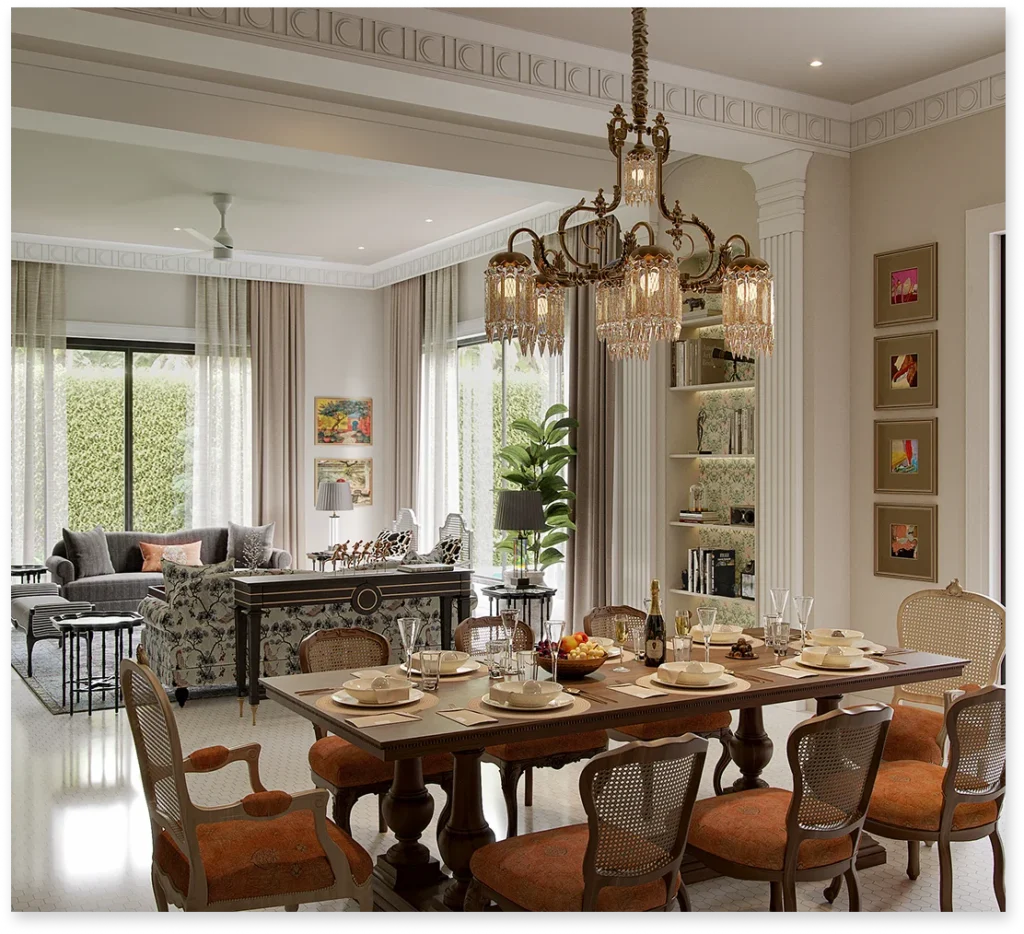
A beautifully proportioned room provides the foundation for elaborate detailing. Natural materials introduce warmth to richly layered interiors. Bespoke furniture creates individuality, while intelligent spatial planning ensures that every element has a purpose.
This requires a strong and consistent design vision from the outset.
It also requires understanding the importance of visual balance. A room filled with intricate detailing may benefit from areas of visual restraint. A richly coloured palette can be complemented by natural textures. A statement furniture piece may become more impactful when surrounded by thoughtfully selected elements rather than competing focal points.
The same principle applies across an entire residence. Each room should possess its own identity while maintaining a relationship with the overall design language.
This is what distinguishes a thoughtfully designed home from a collection of individually decorated spaces.
Timelessness, therefore, is not achieved by following a checklist of materials or design principles. It emerges from the ability to bring architecture, aesthetics, functionality and personal expression into a coherent whole.
And this is precisely where the expertise of a design studio becomes invaluable: translating an individual's aspirations into a residence where every decision feels intentional.
A Home That Belongs to No Particular Era
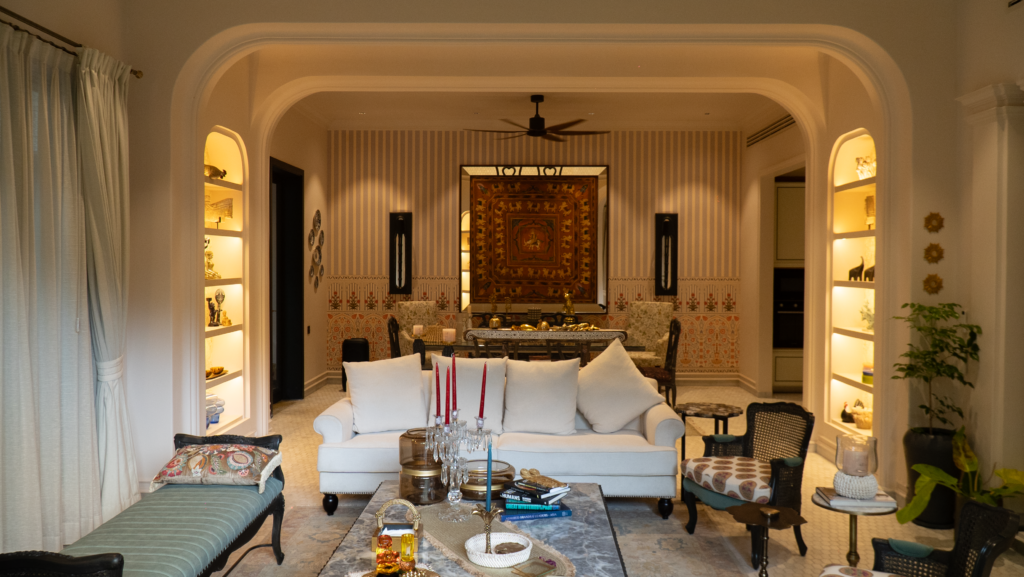
Perhaps the most meaningful measure of a luxury home is not how impressive it appears when newly completed, but how deeply it continues to resonate with its occupants years later.
Trends will inevitably evolve. Materials will develop character, furniture will gather stories and the lives of the people within the home will change. Yet, when a residence is built on thoughtful architecture, enduring materials, exceptional craftsmanship and a genuine understanding of its inhabitants, it possesses something far more valuable than contemporary appeal.
It possesses longevity.
At Bottega Di Lusso, the philosophy of luxury residential design extends beyond the pursuit of a particular aesthetic. It is about creating distinctive environments where architectural intelligence meets artistic expression, where craftsmanship meets individuality and where lavishness is guided by intention.
From the metropolitan residences of Delhi and Mumbai to the expansive homes of Goa and Dubai, every project presents an opportunity to interpret luxury through a different cultural, architectural and personal lens.
Because a truly exceptional home should never feel like a product of its time.
It should feel like an expression of its owners, crafted with the intention of enduring far beyond it.